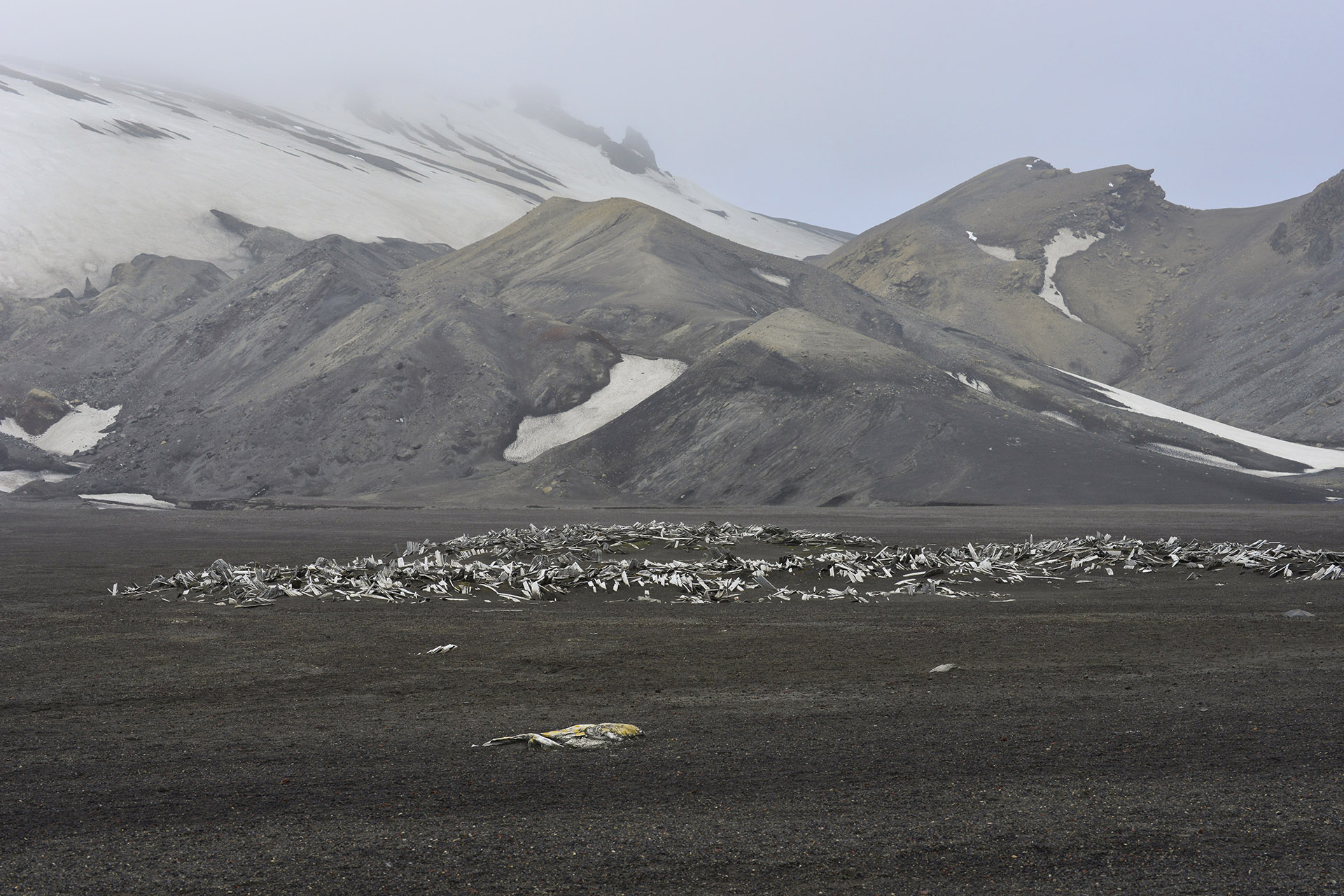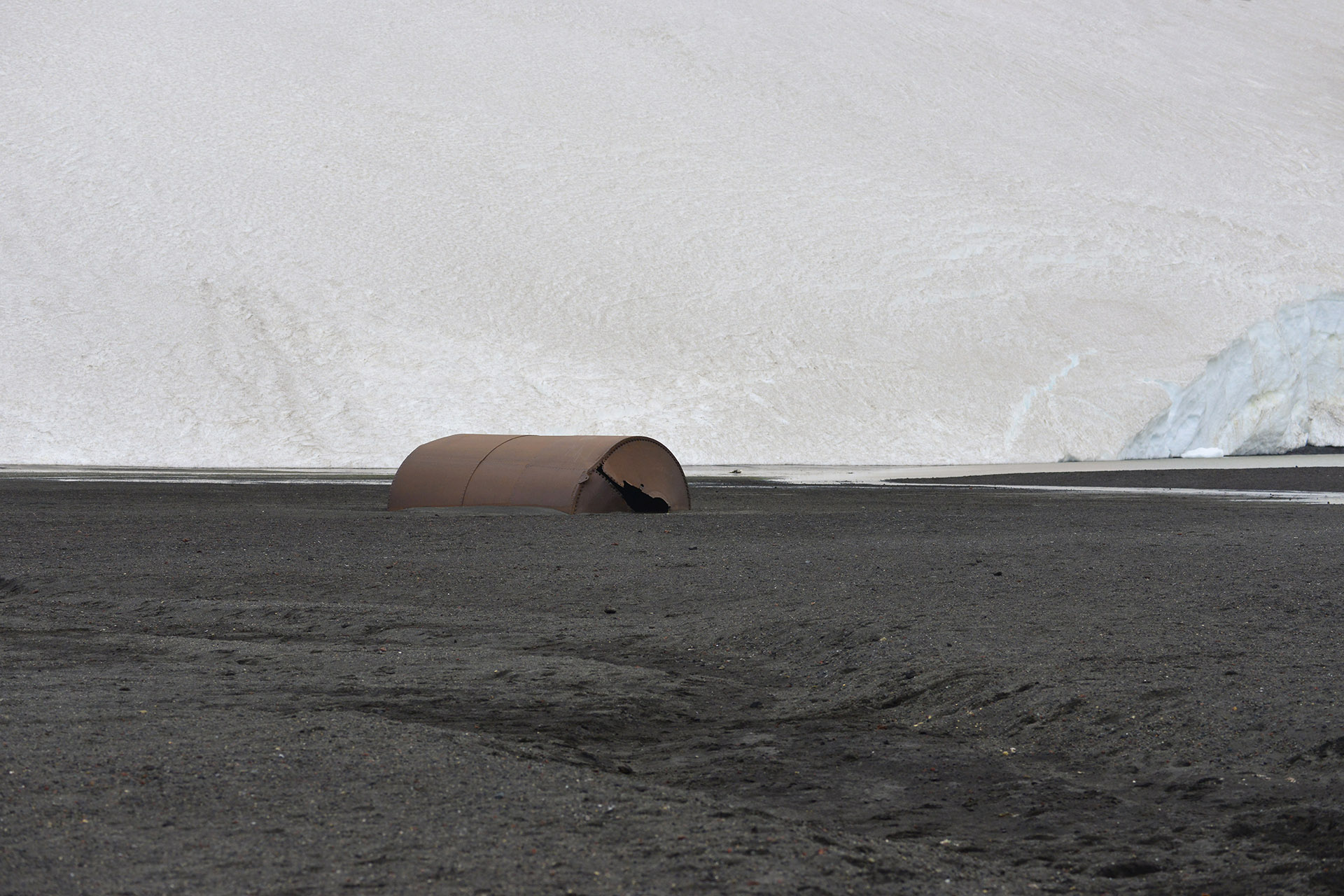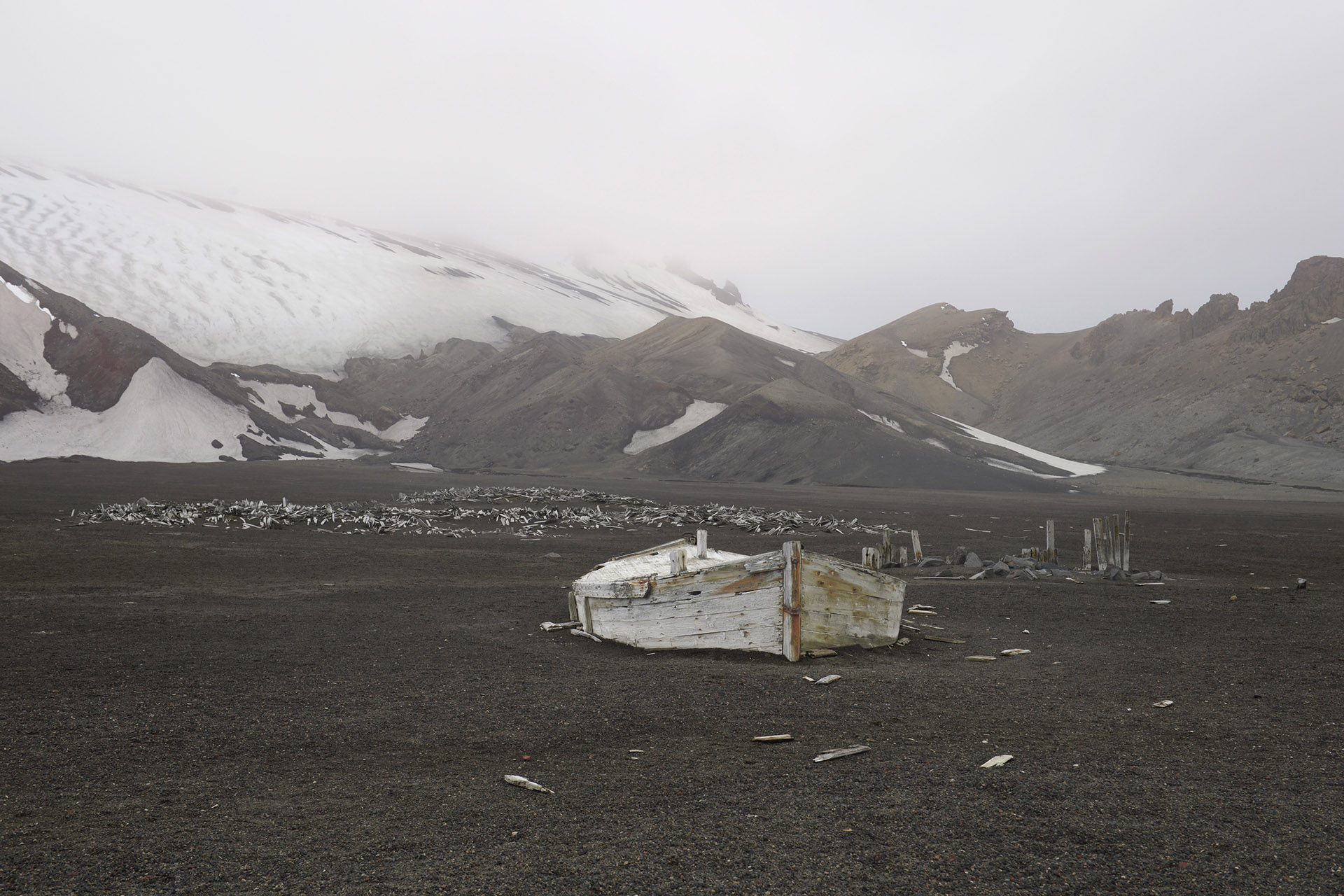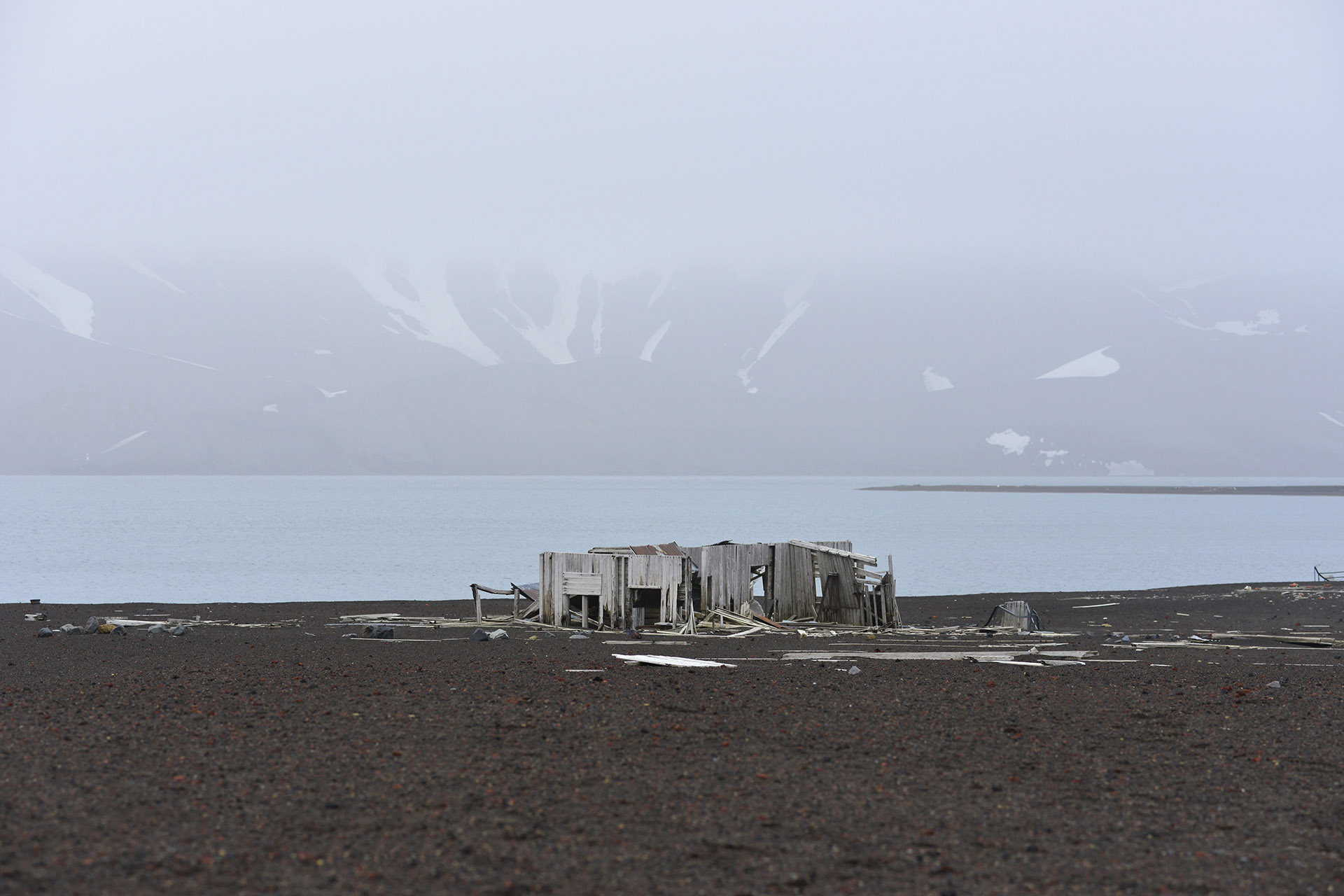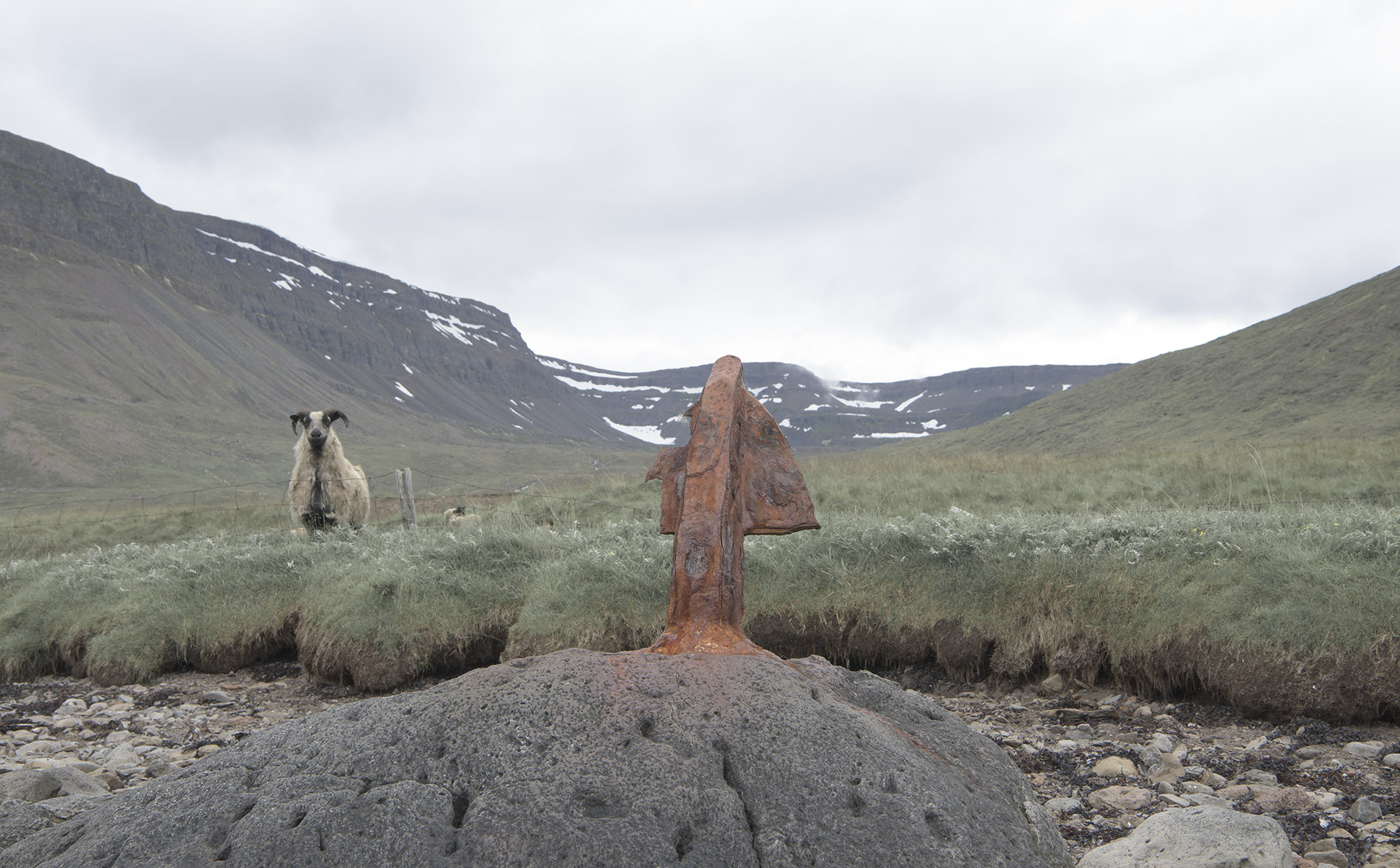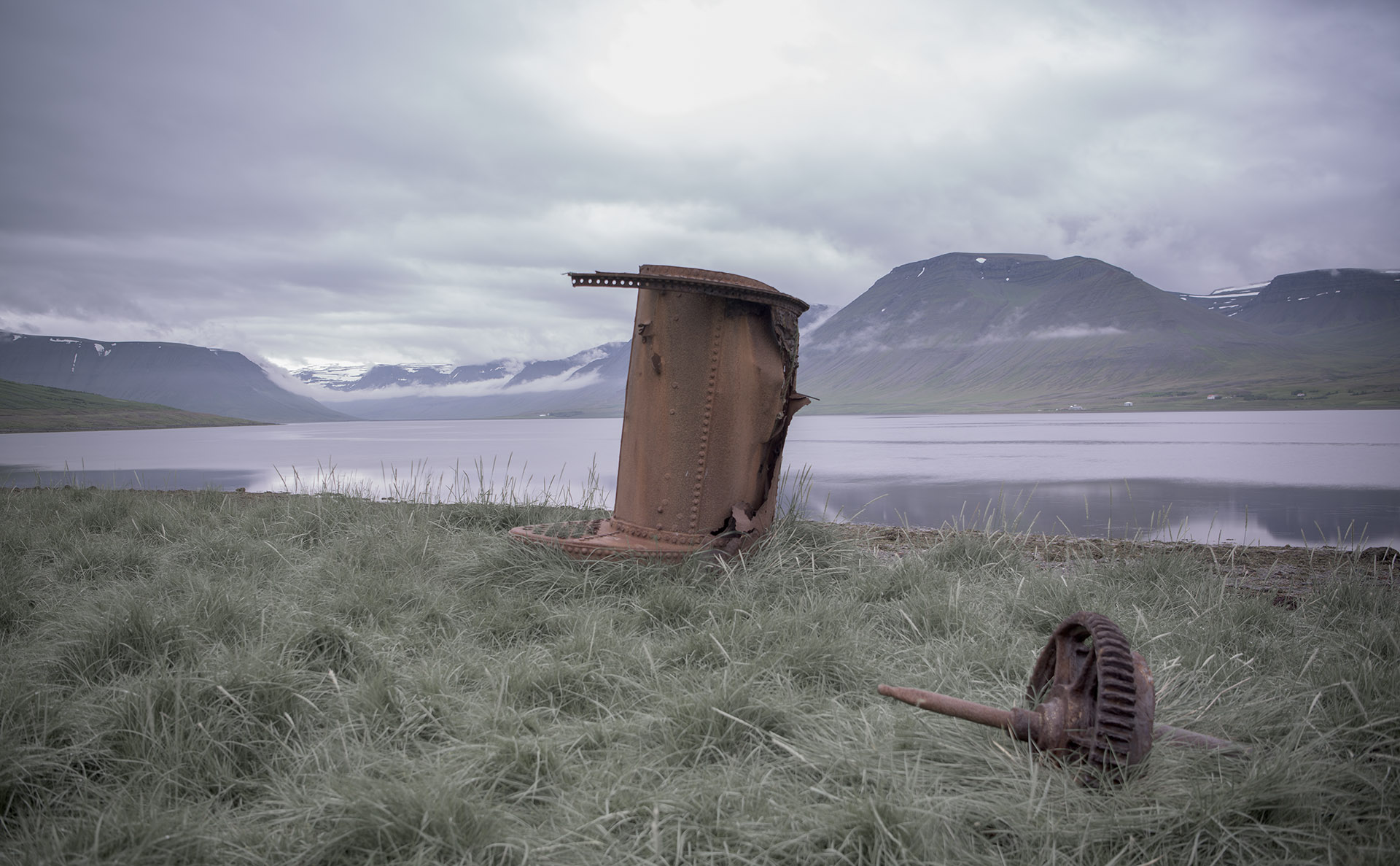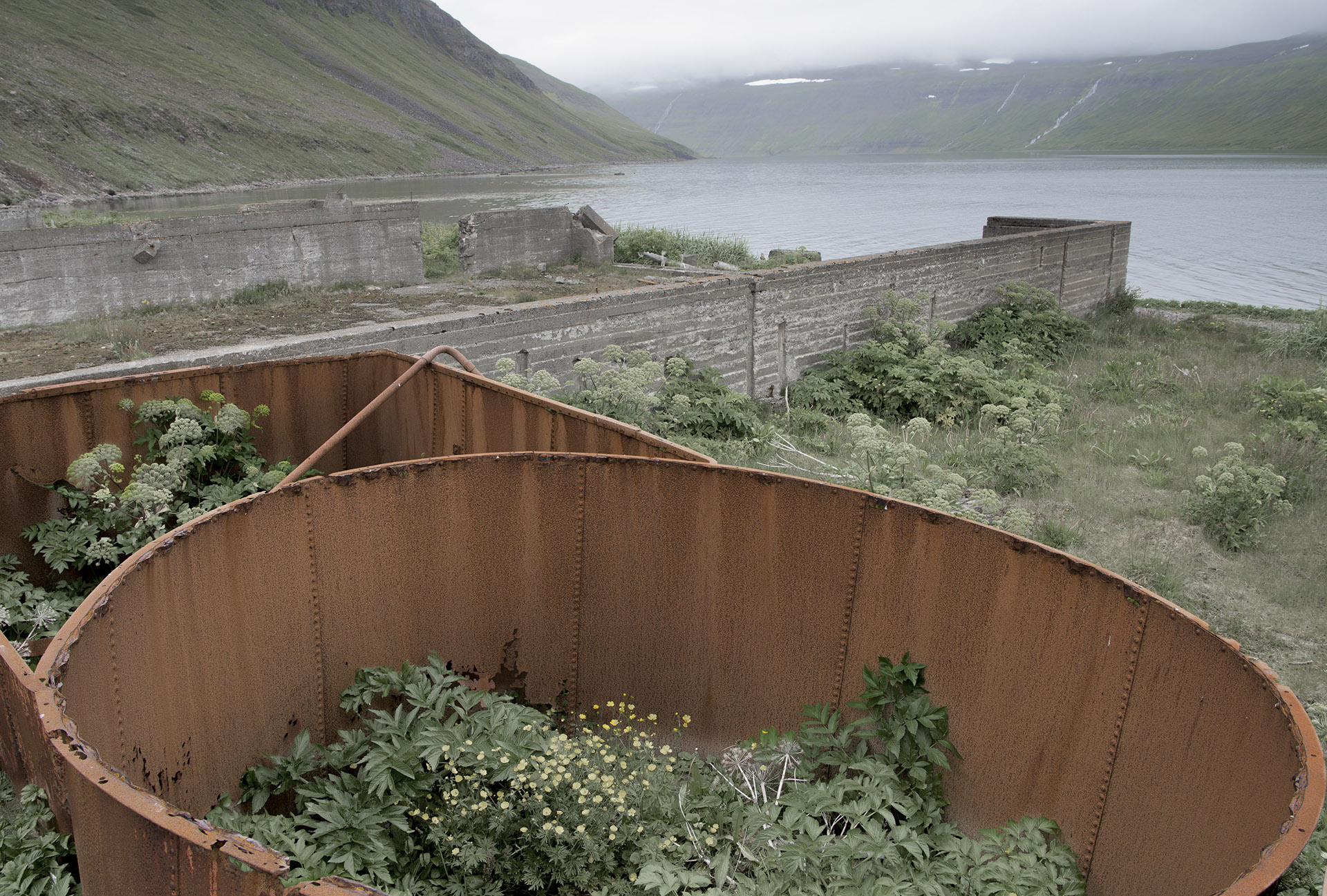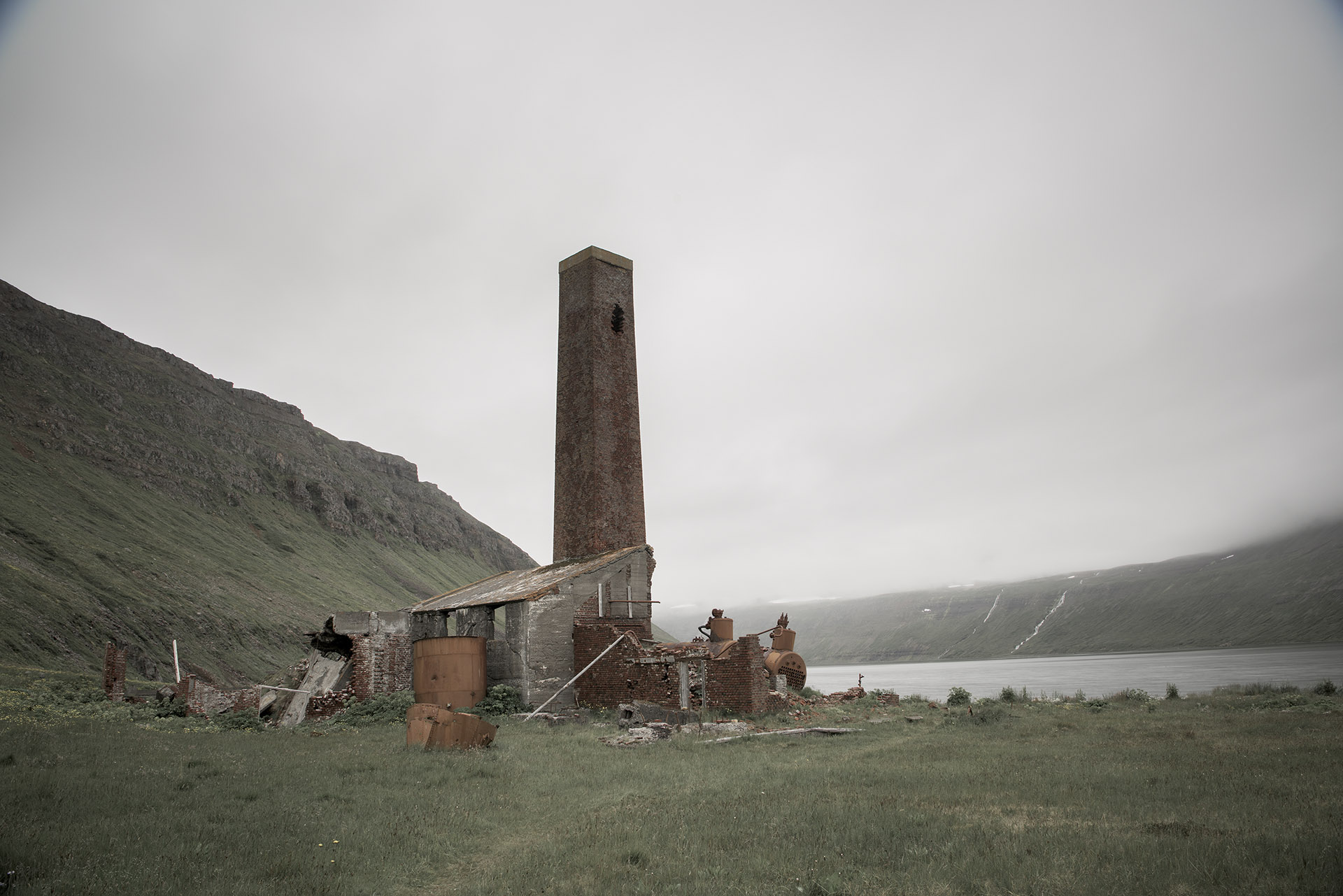
The Alchemy of Whales
Our modern civilization rests on an invisible, crimson foundation: the 'Red History' of polar whale exploitation that fueled our industrial and literal enlightenment.
The Alchemy of Whales:
A Portrait of Civilization Built on Crimson Foundation
The remnants of life left by the giants of the deep were the alchemy and the legacy of civilization—illuminating the darkness, awakening the machines, and forging the primal impetus that ignited modern industry.
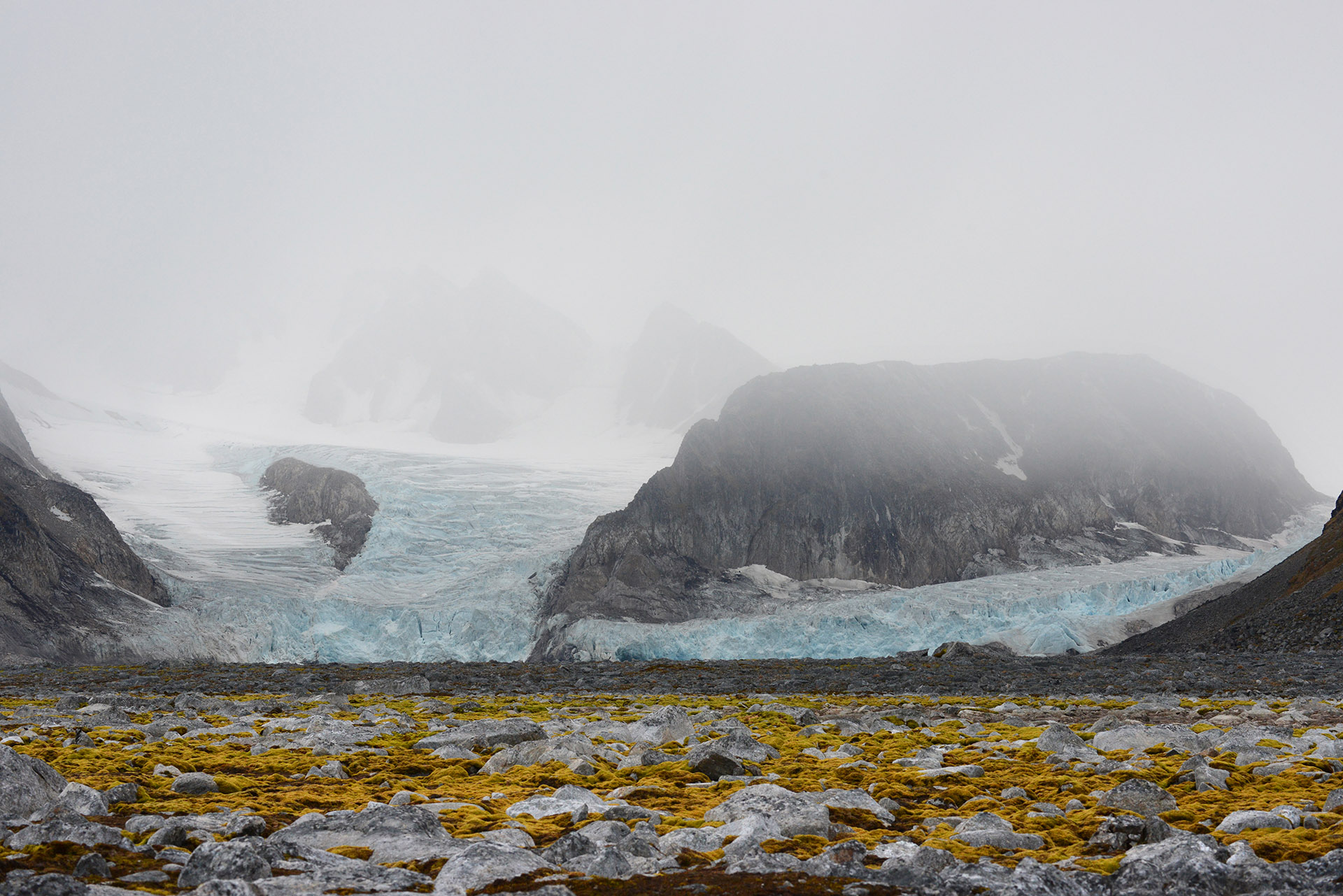
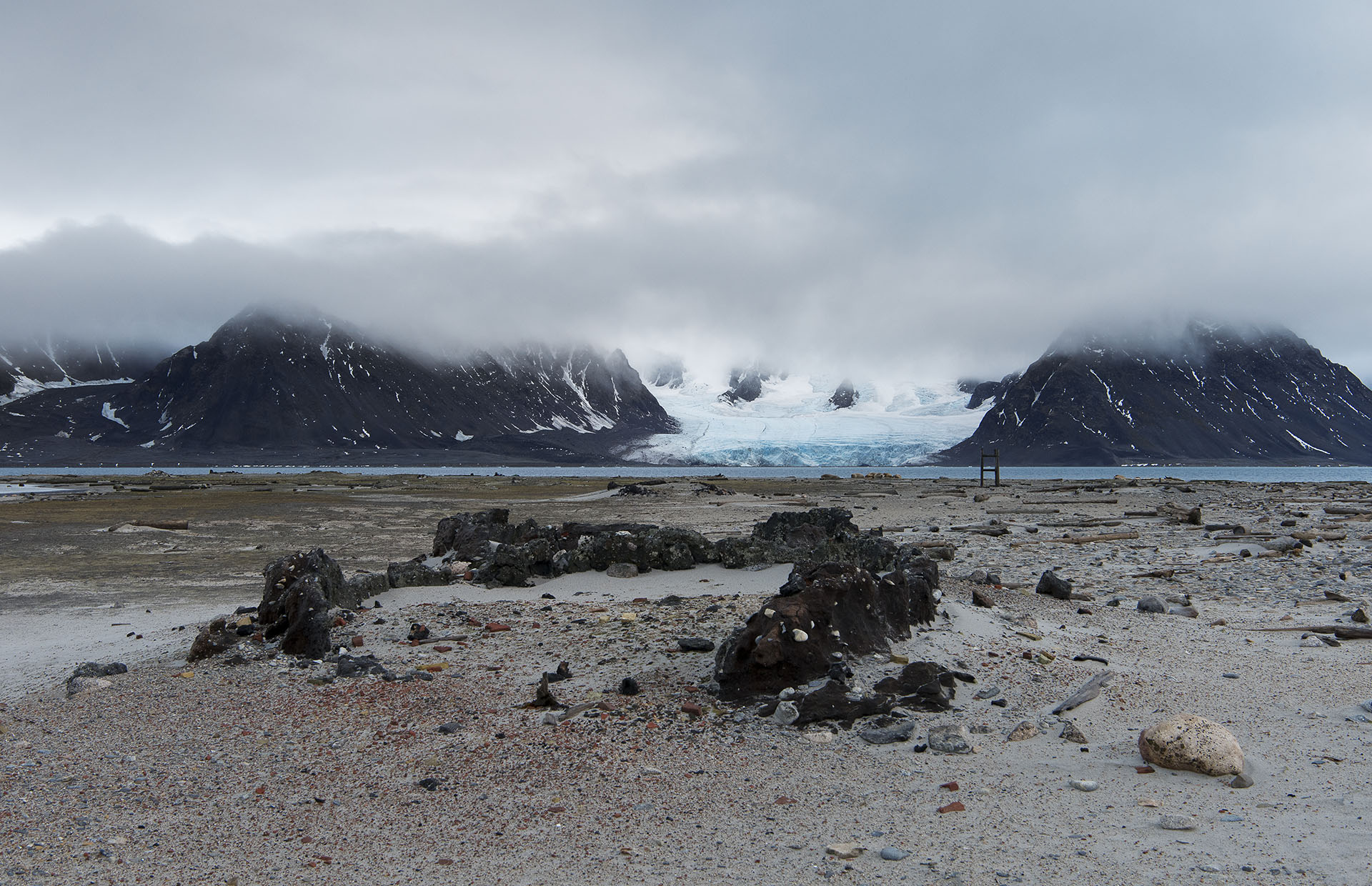
Starting from the late 15th century, the hunt for whales off the eastern shores of Canada rose as a premier strategic industry, fueled by a hunger for the oil that once banished Europe’s darkness. Yet, this unyielding avarice soon left those waters desolate, driving whale populations to a catastrophic decline. Driven by a thirst for new frontiers, humanity’s gaze turned to the Arctic in 1596, where the Dutch explorer Willem Barentsz’s discovery transformed the pristine ‘White History’ of the Svalbard archipelago into a siren call for slaughter, pushing these majestic creatures to the very brink of extinction.
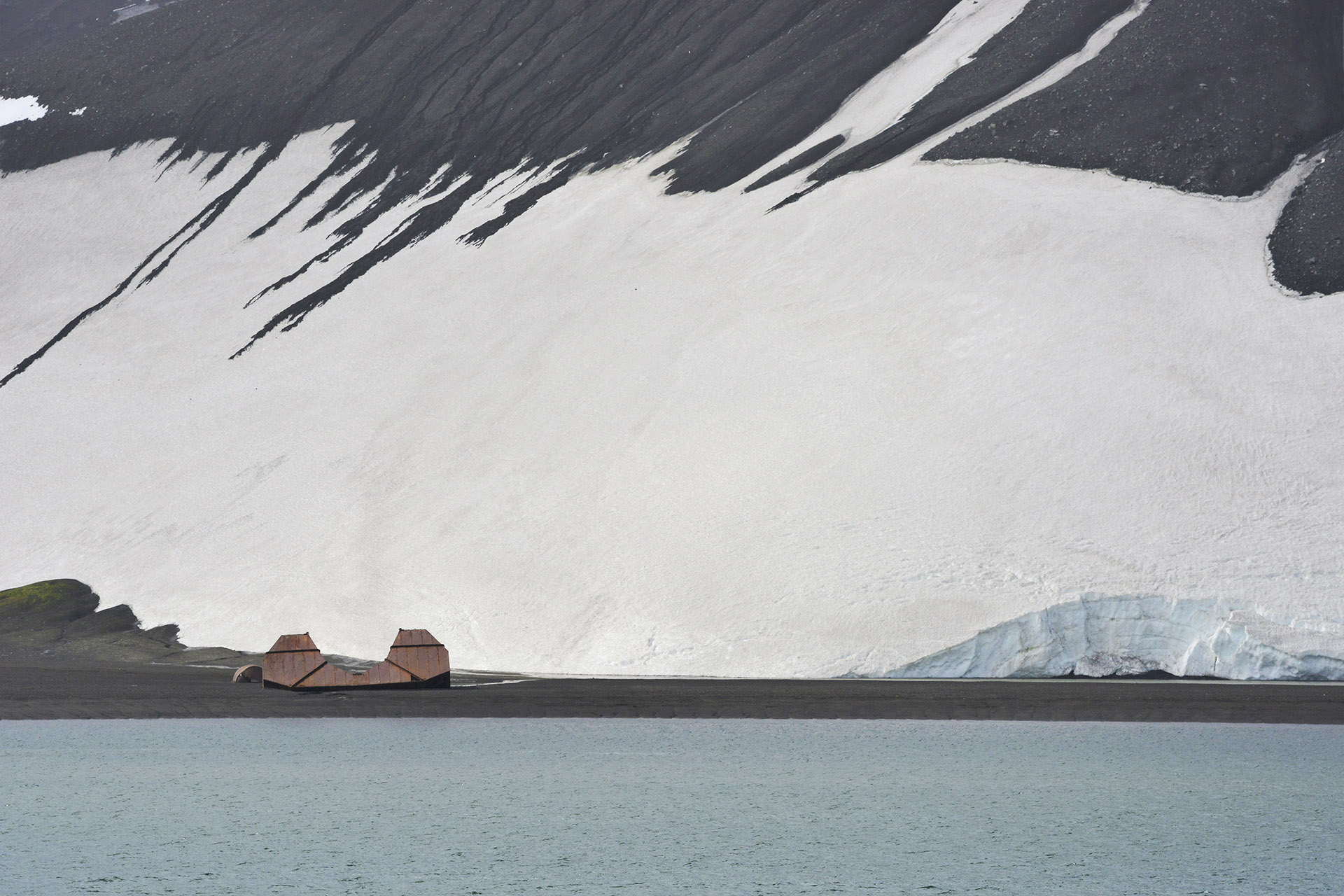
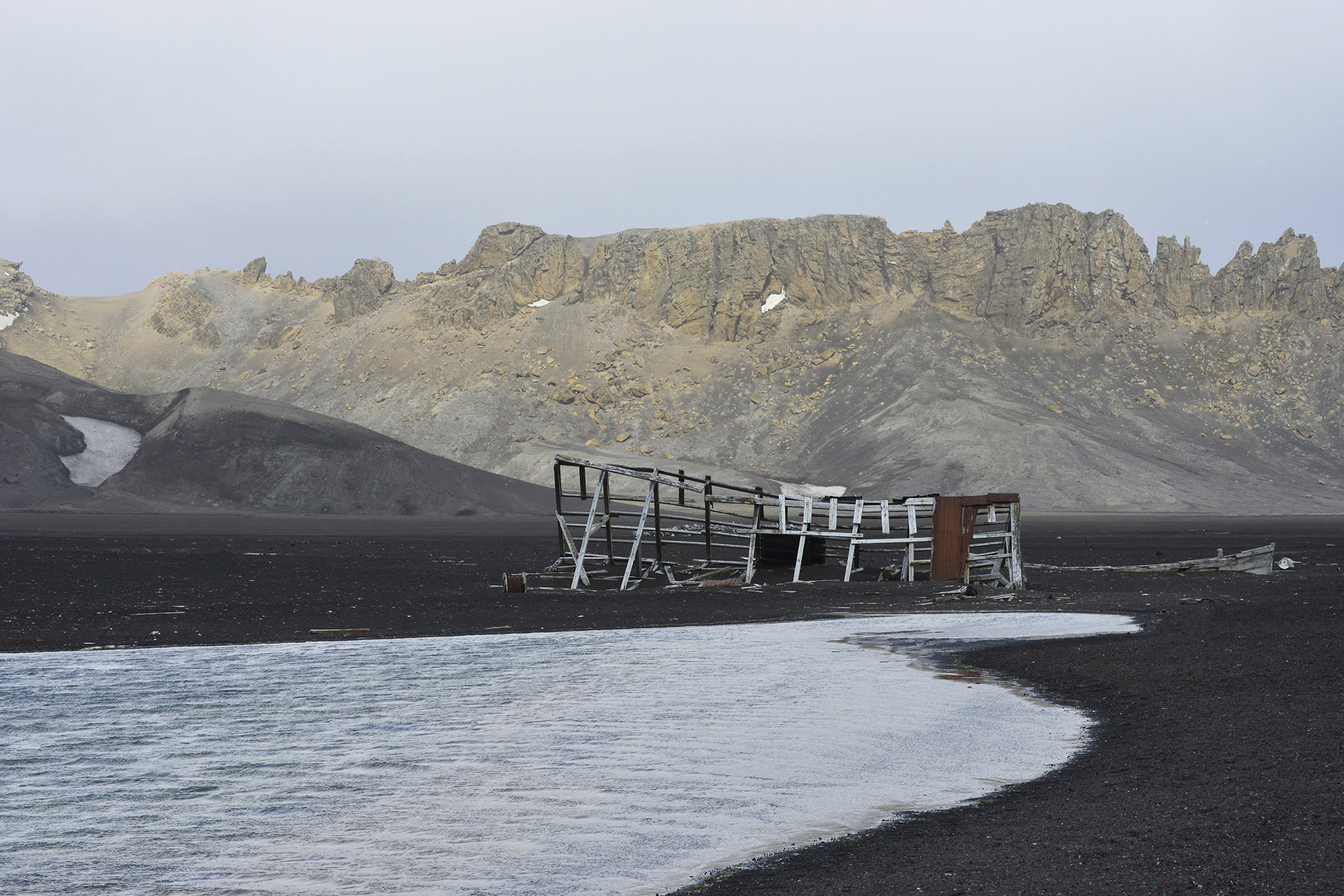
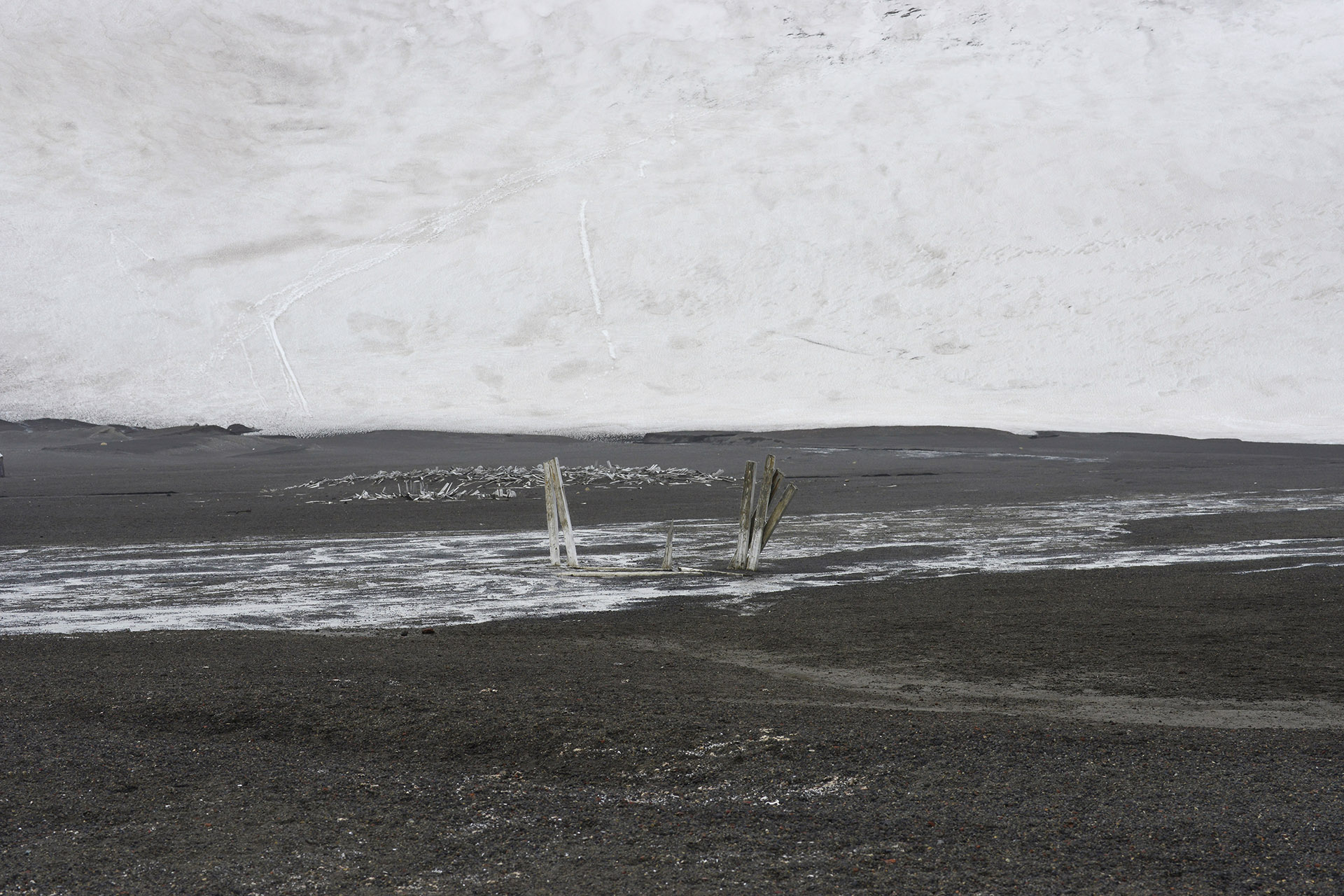
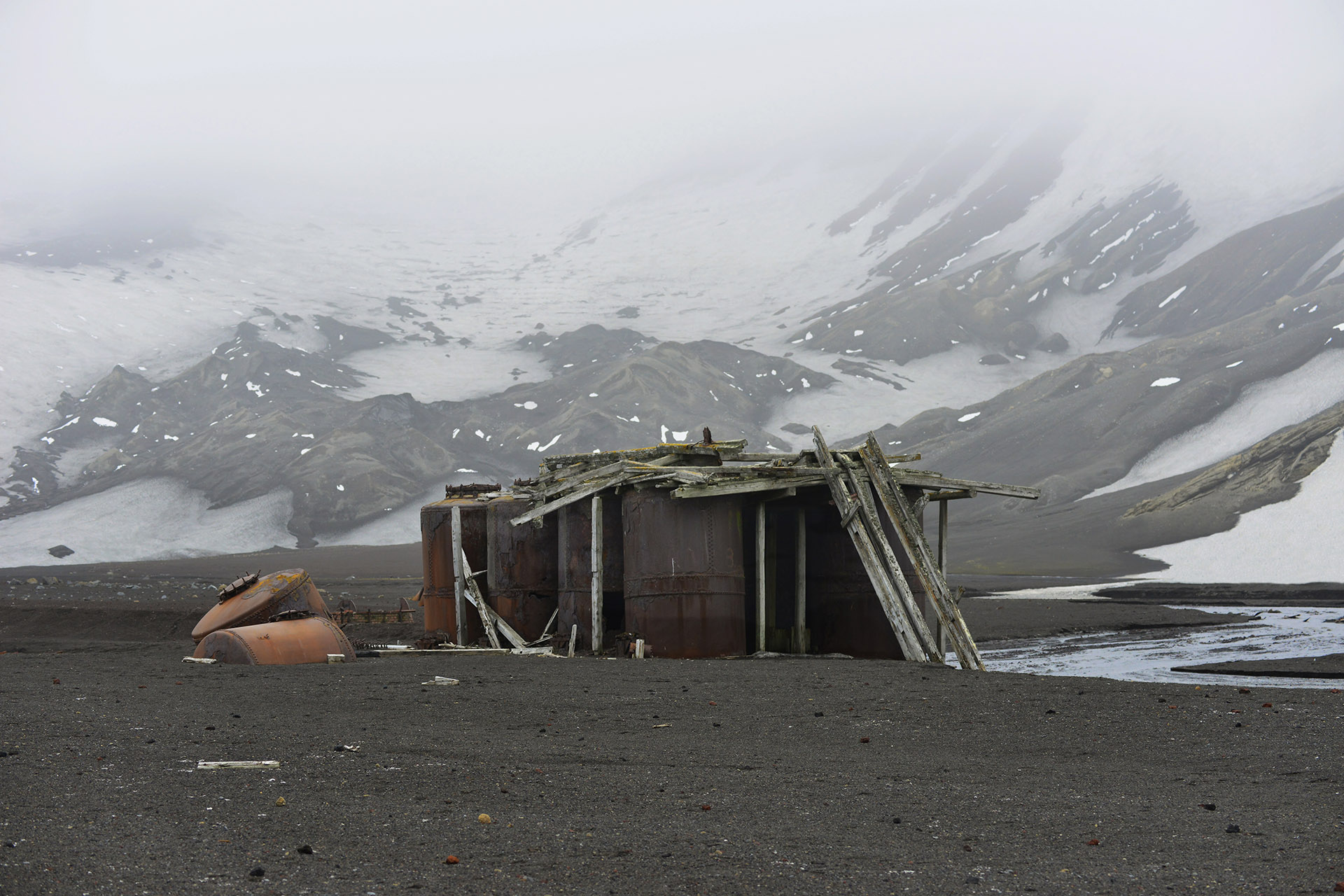
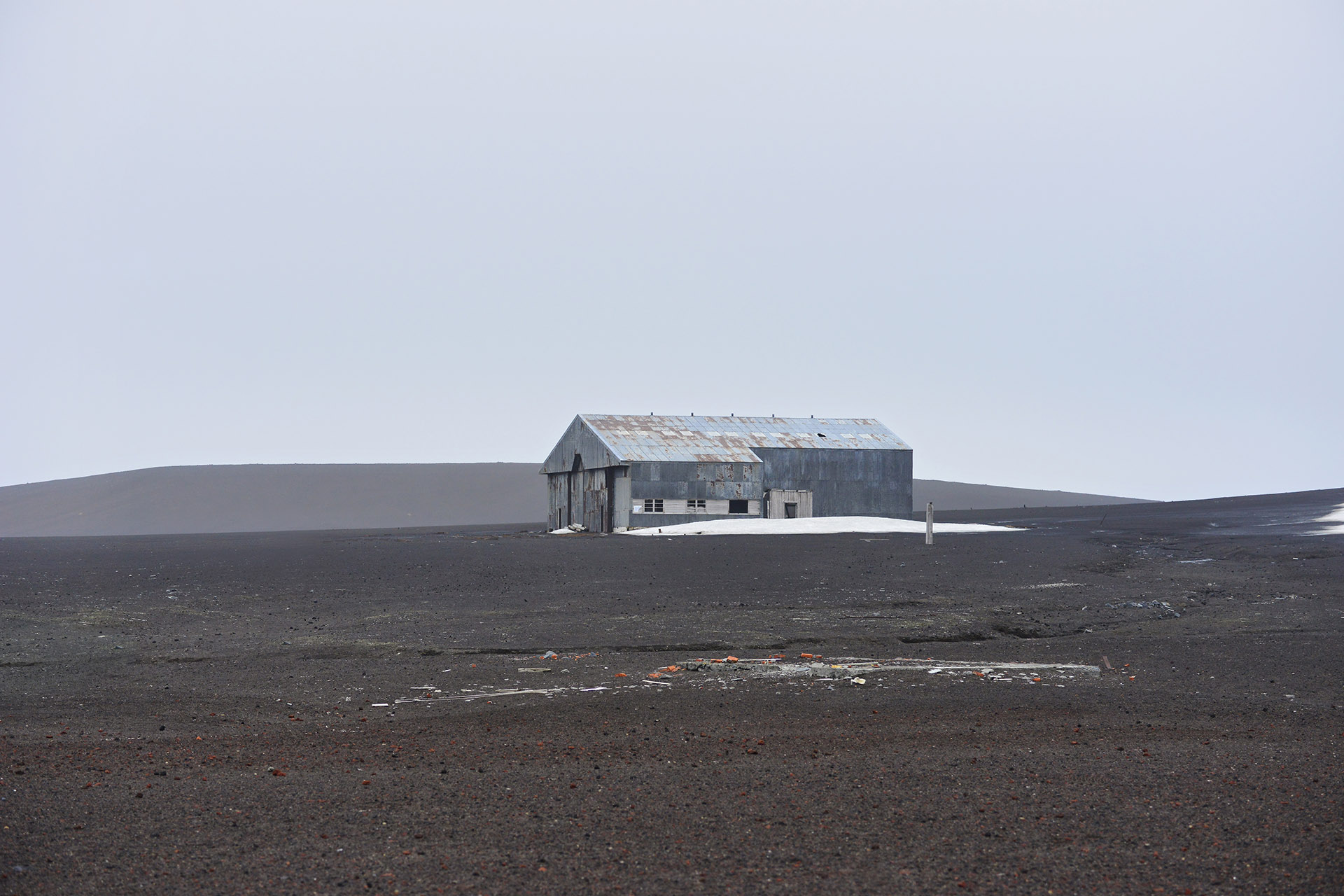
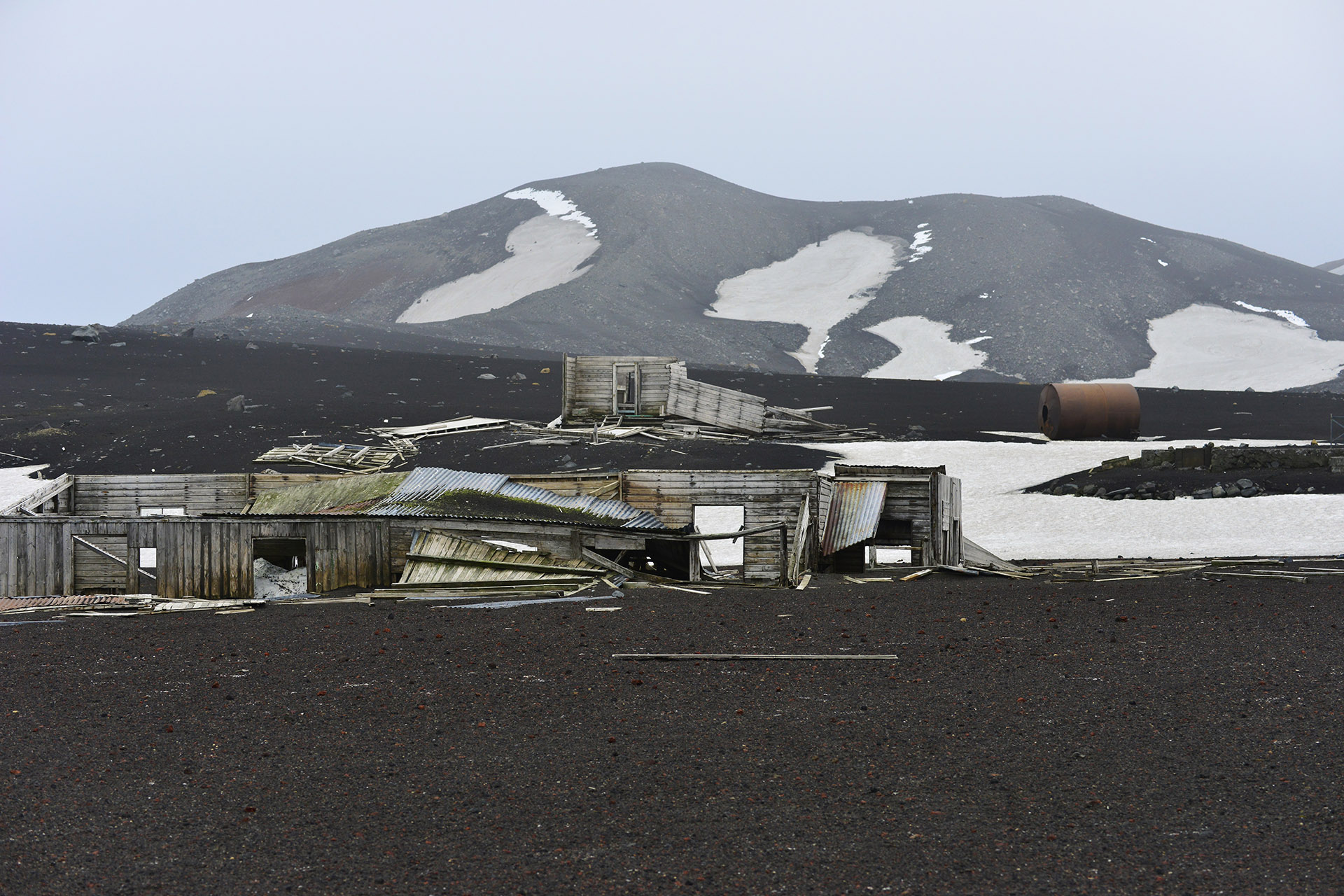
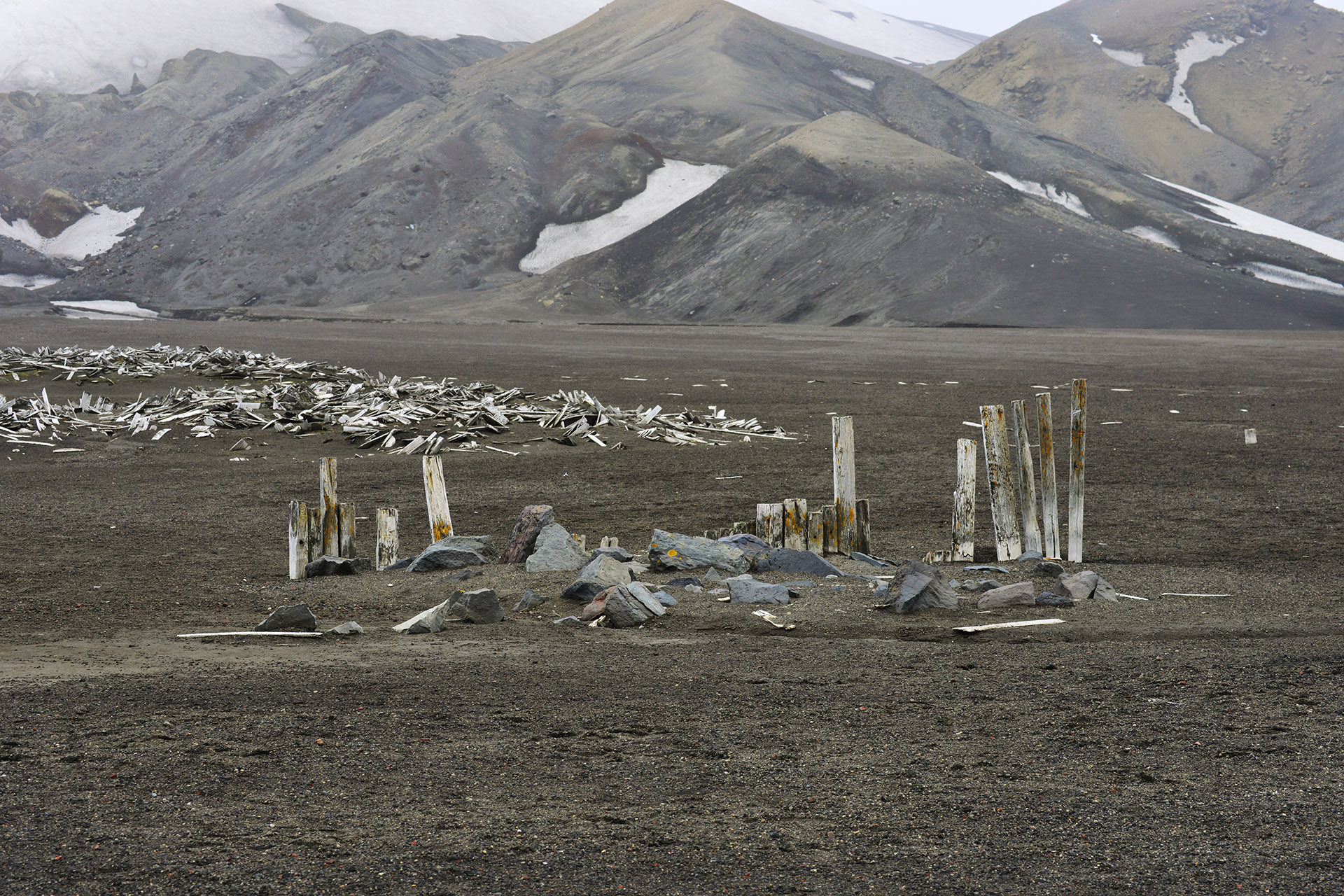
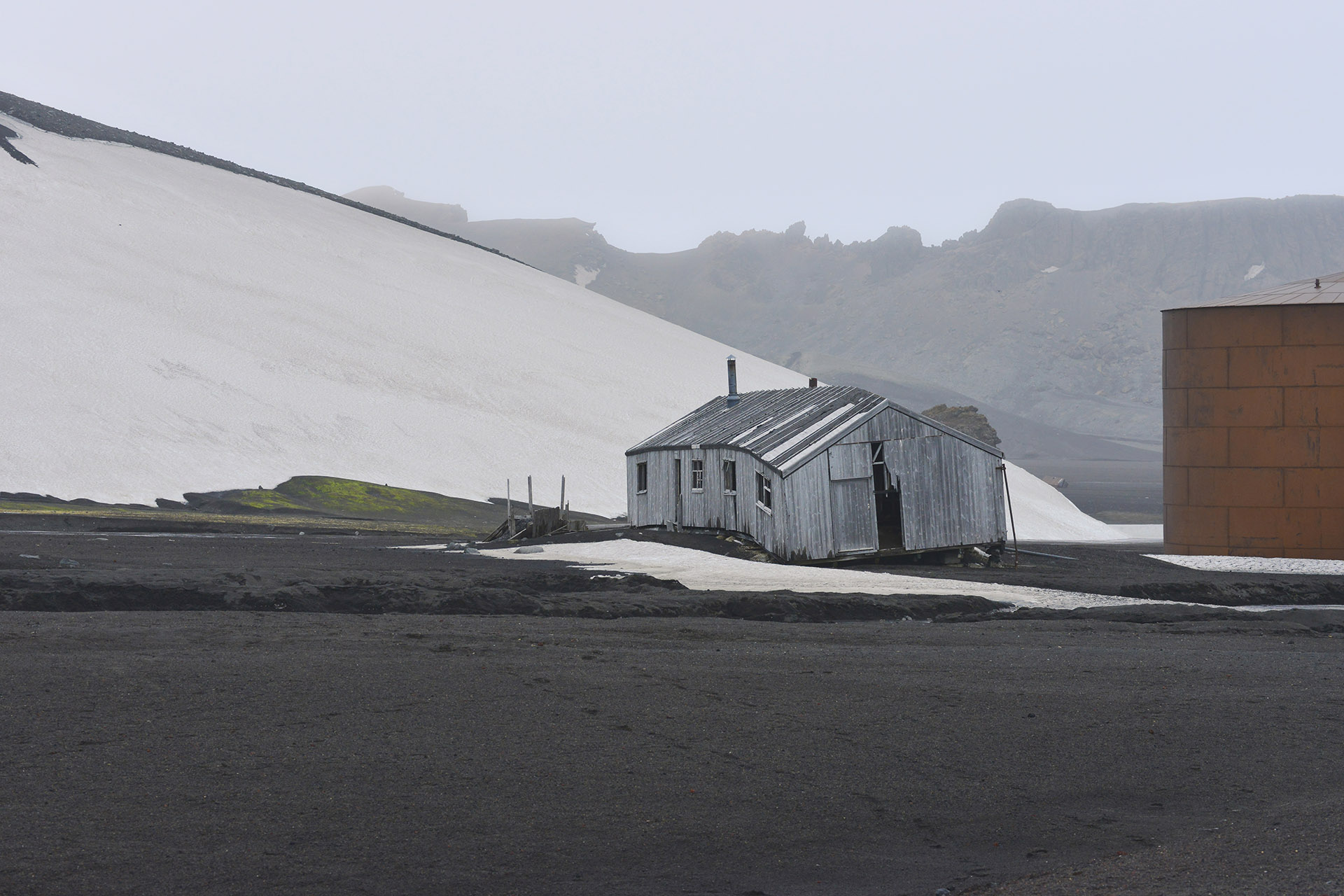
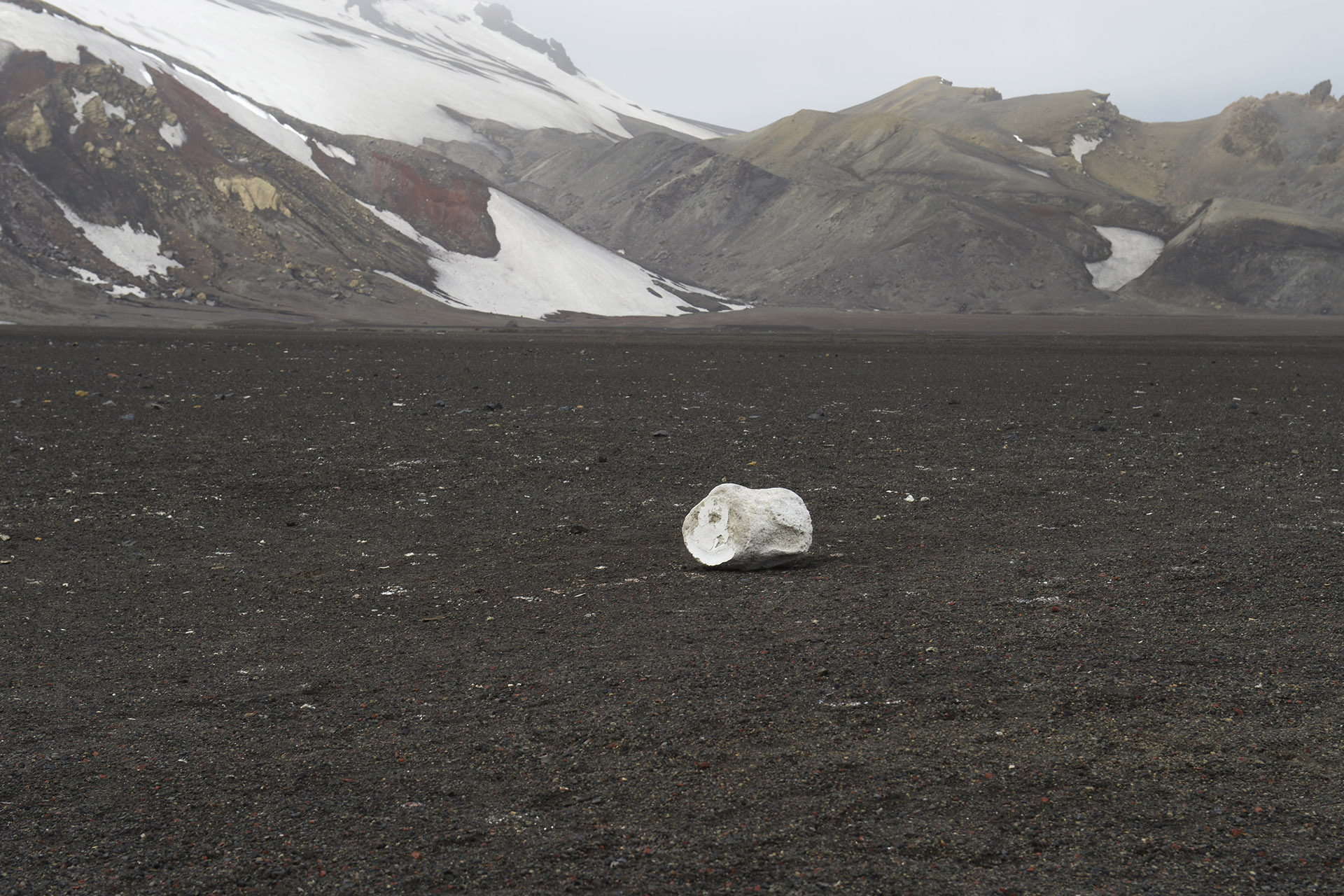
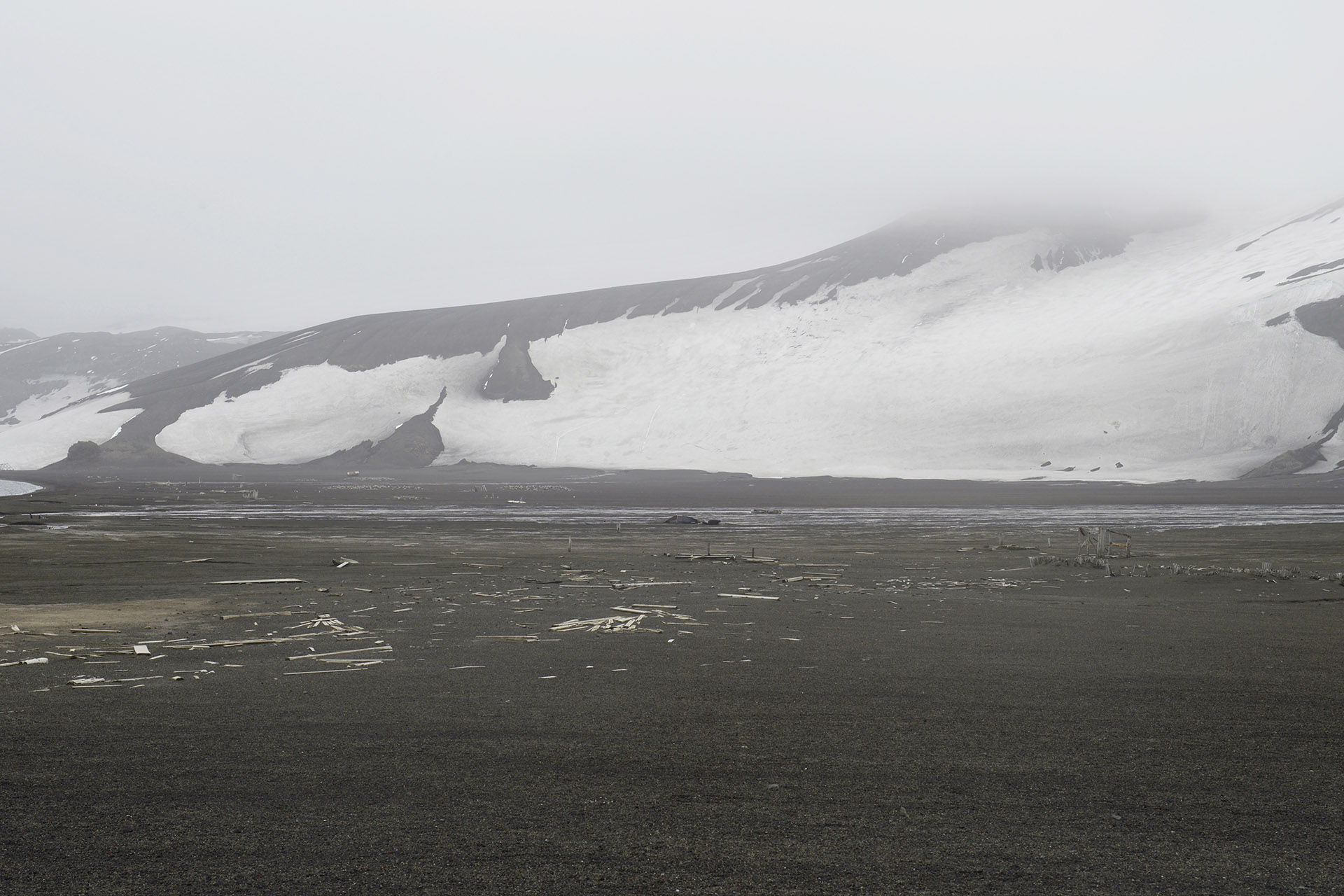
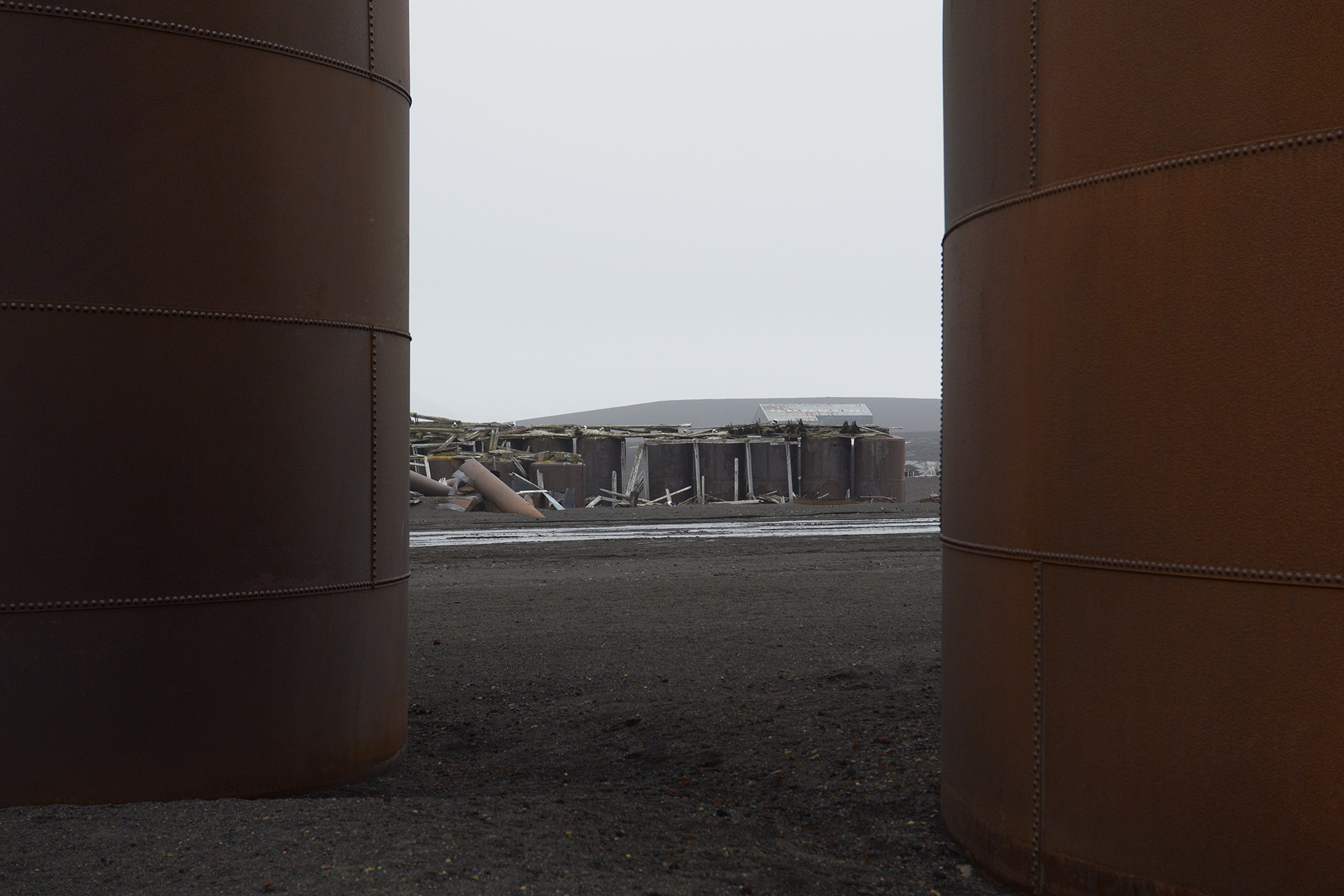
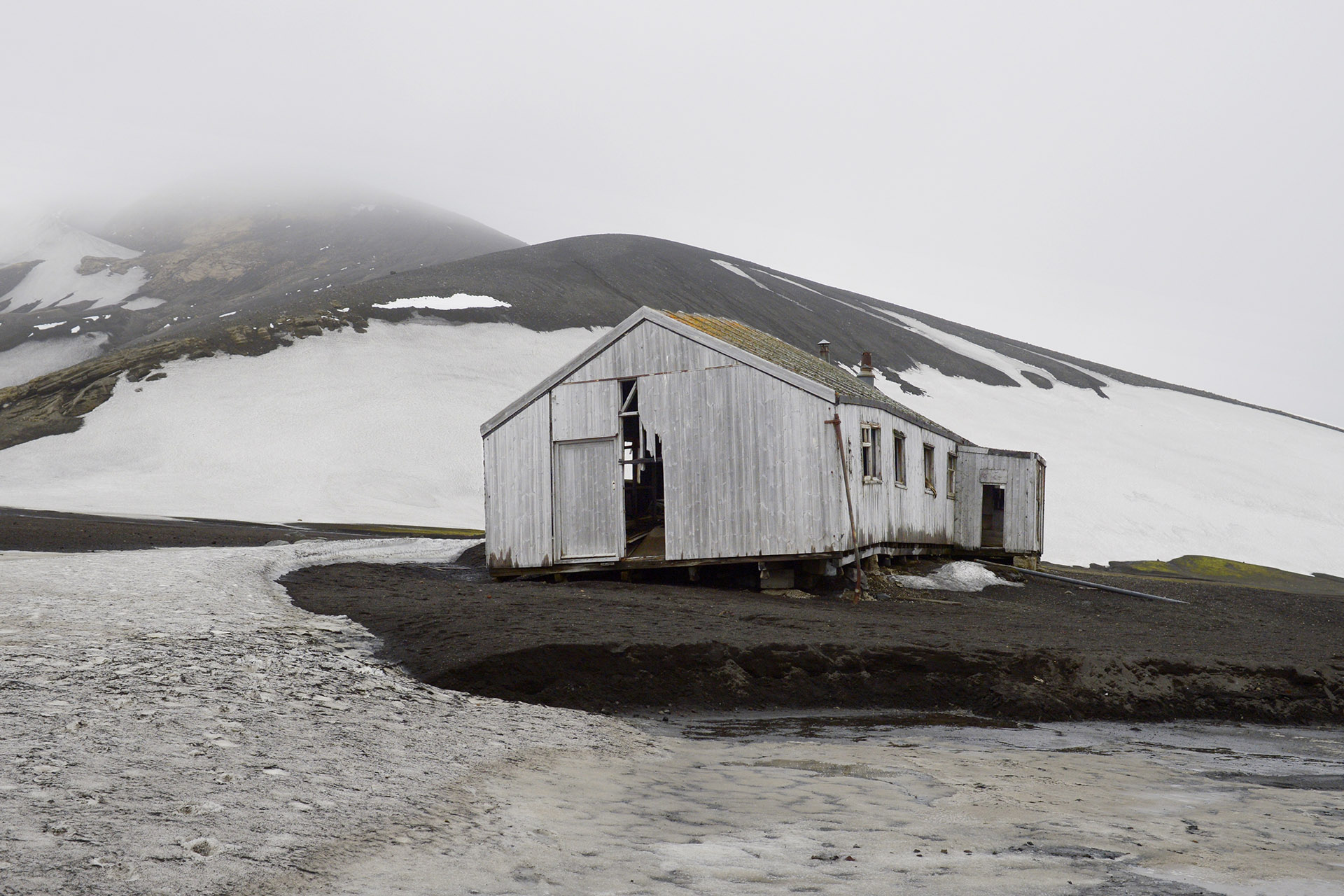
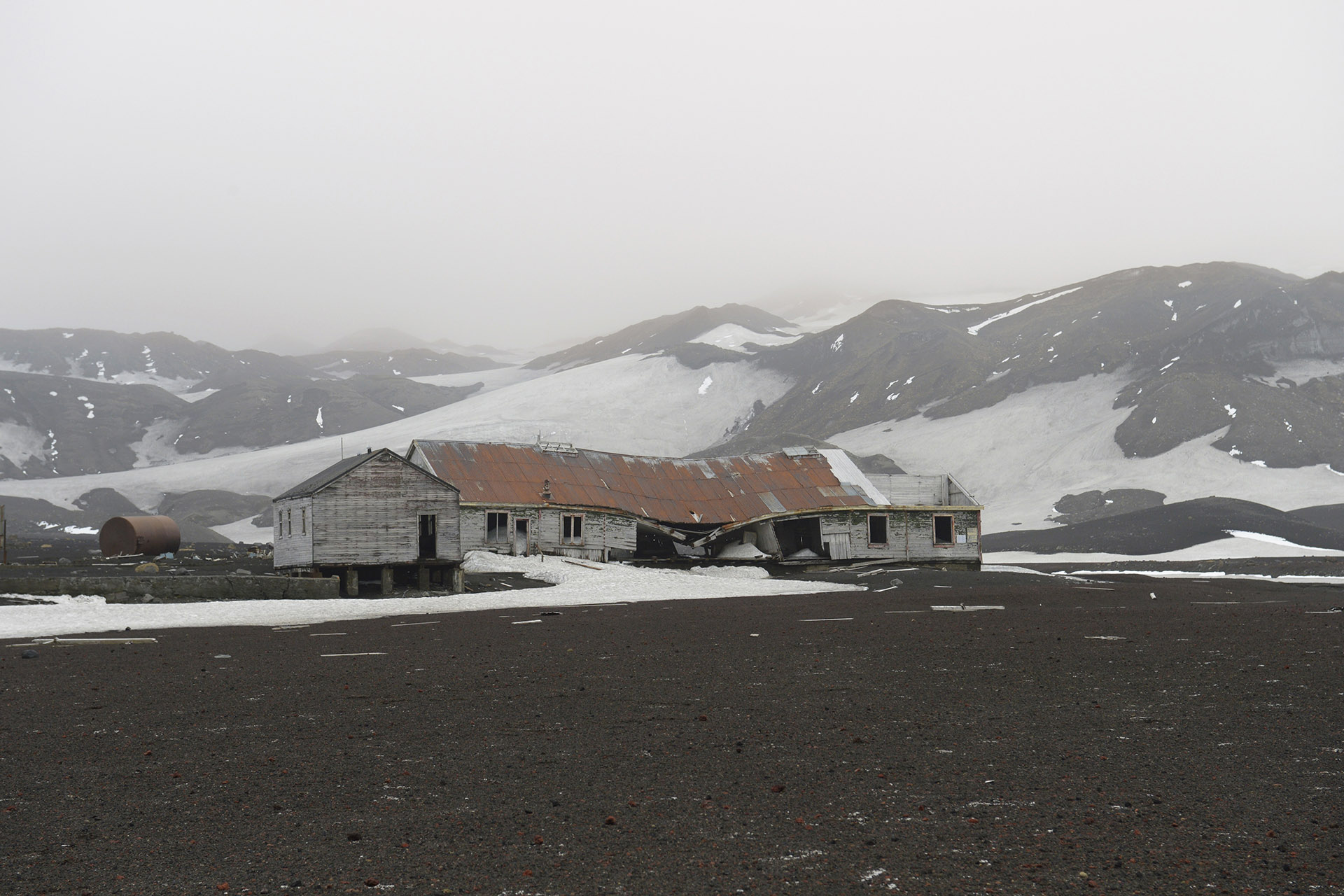
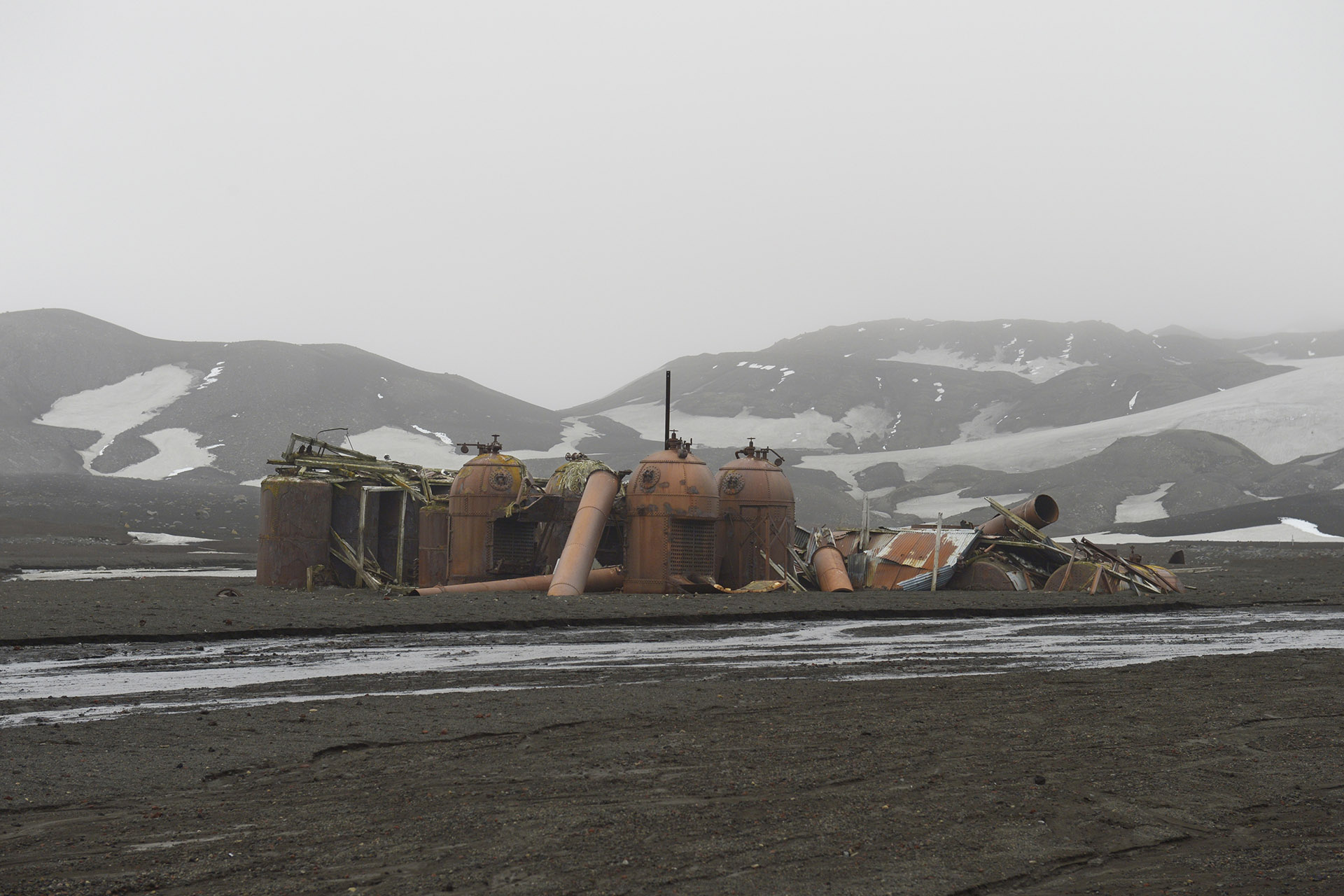
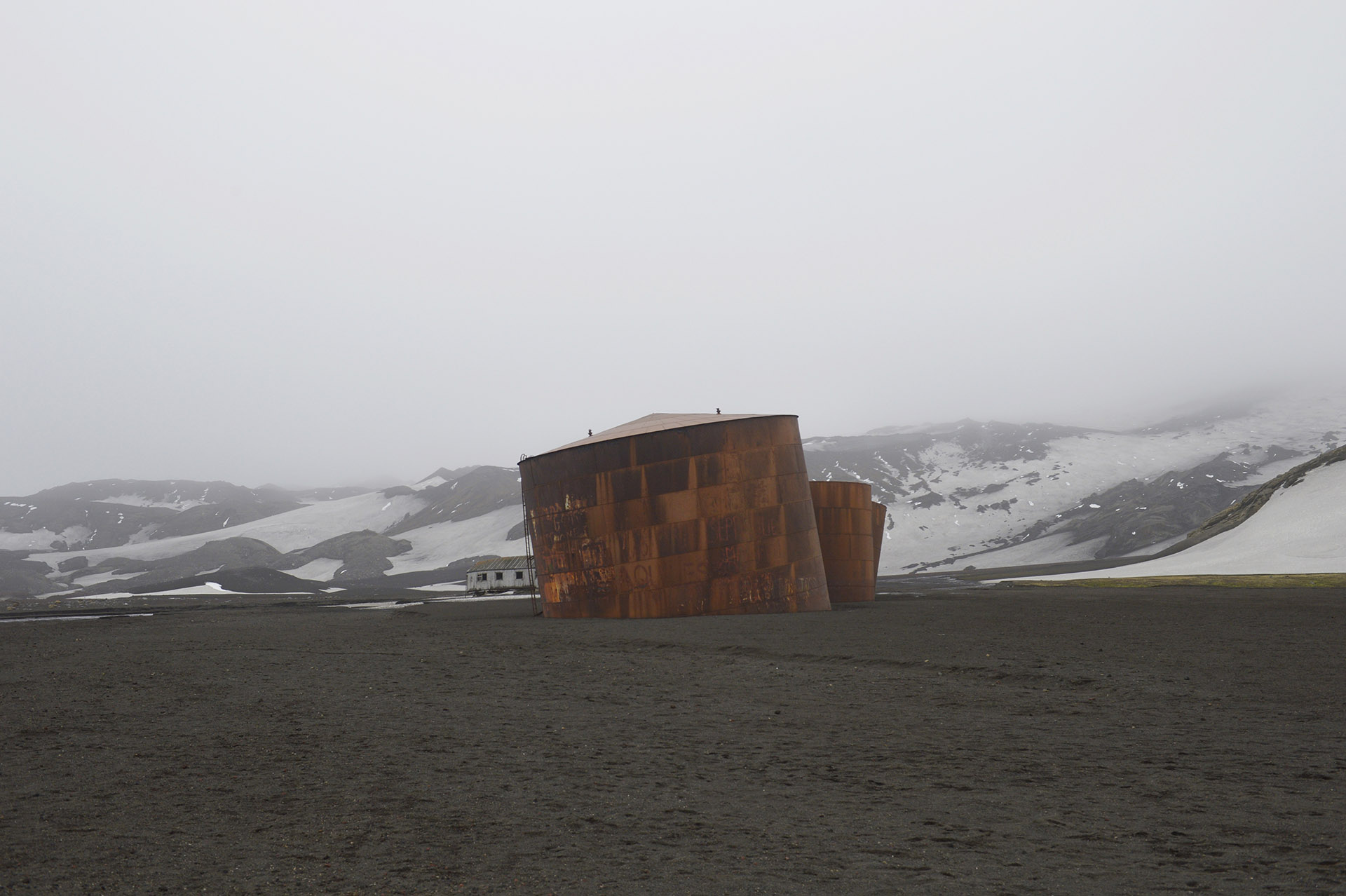
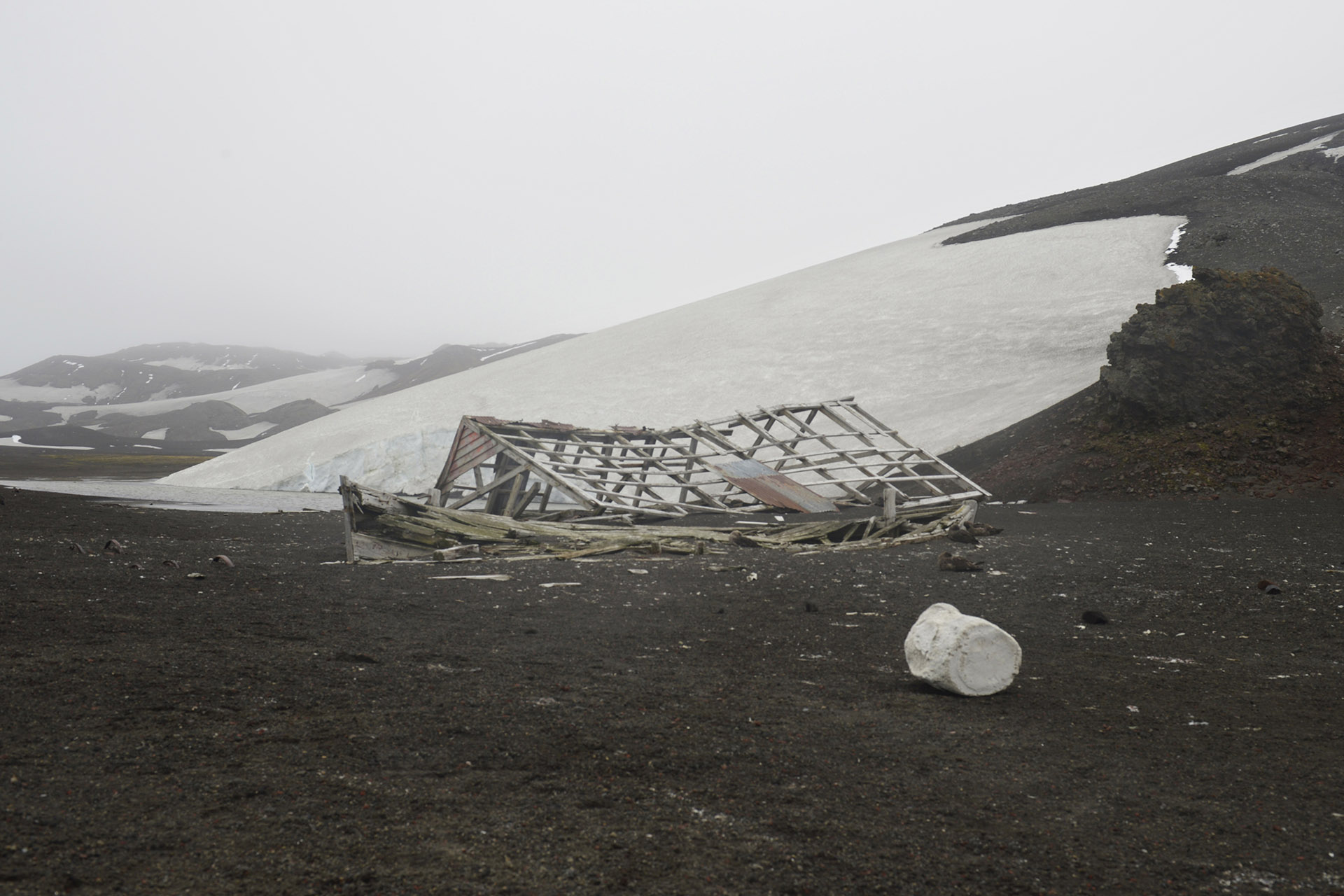
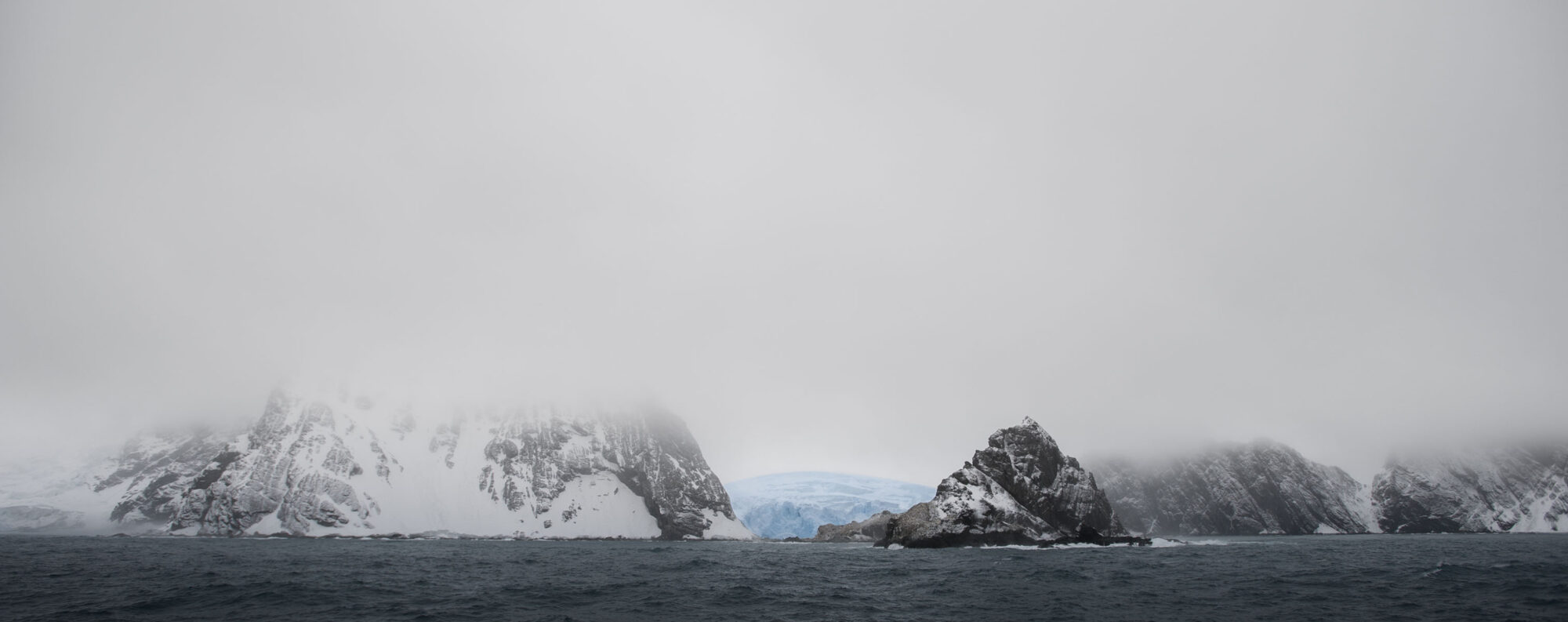
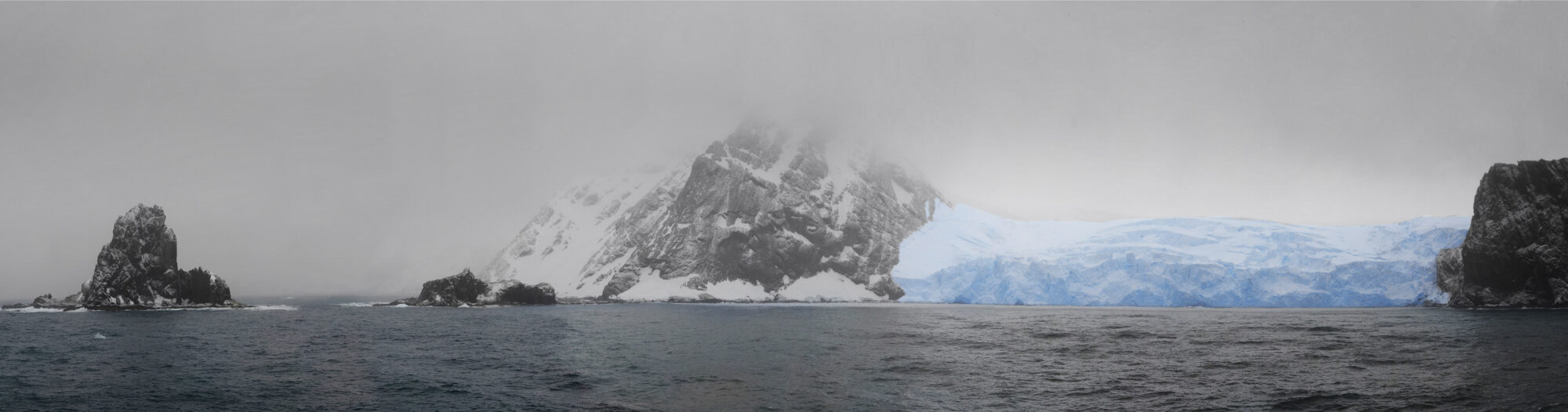
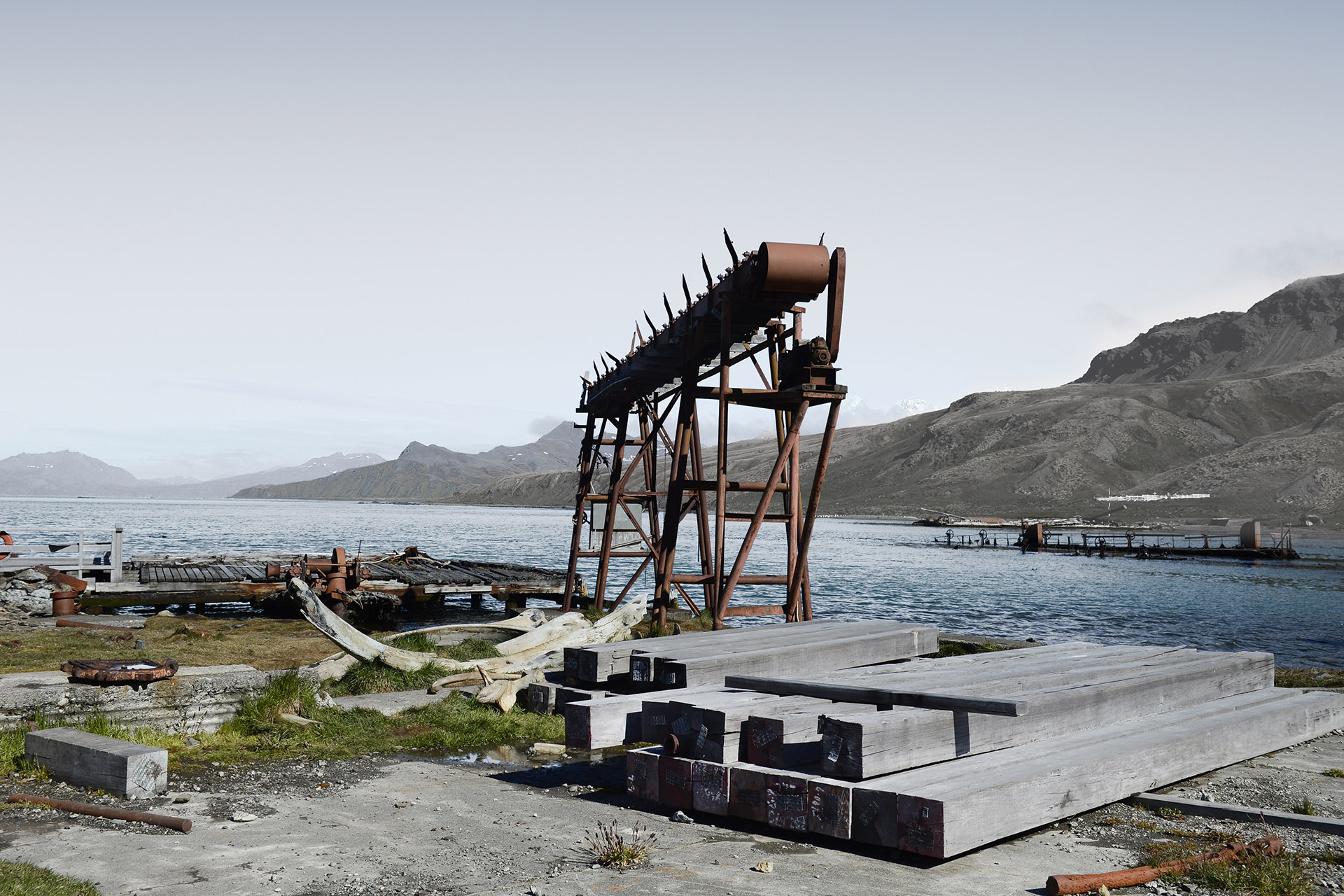
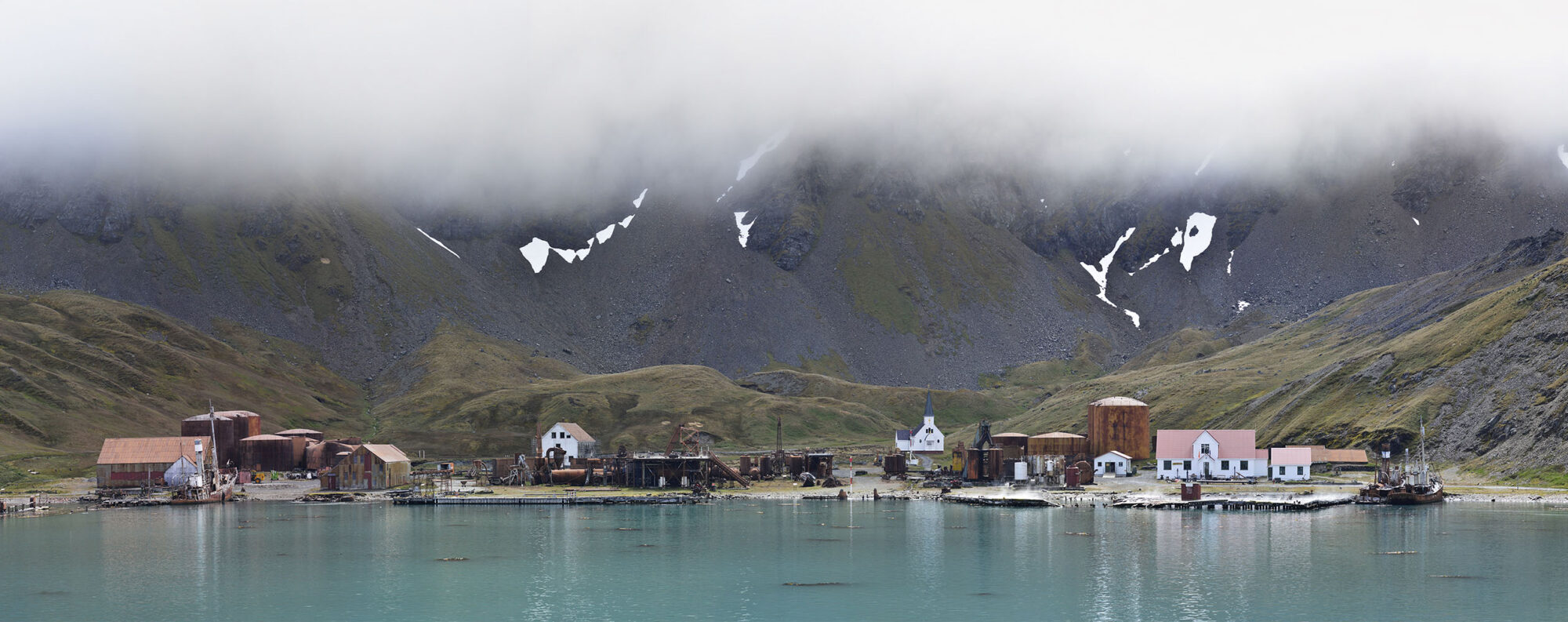
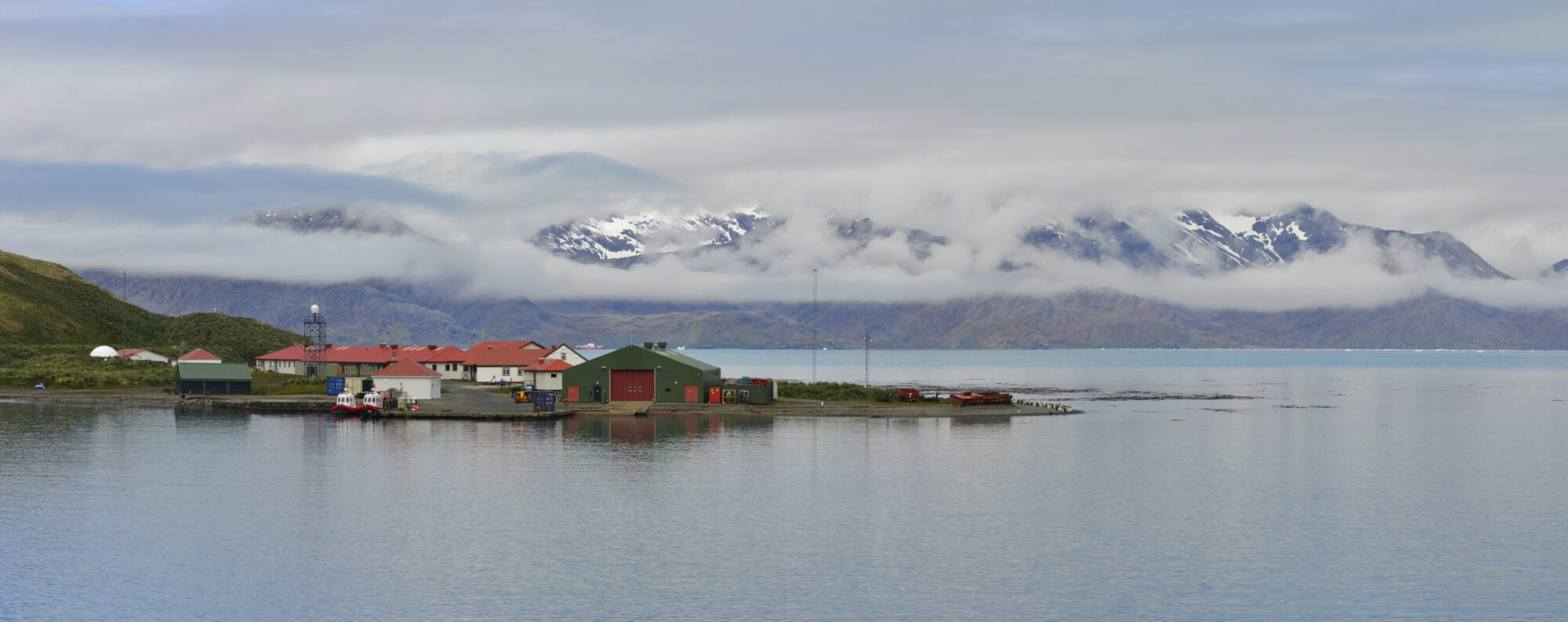
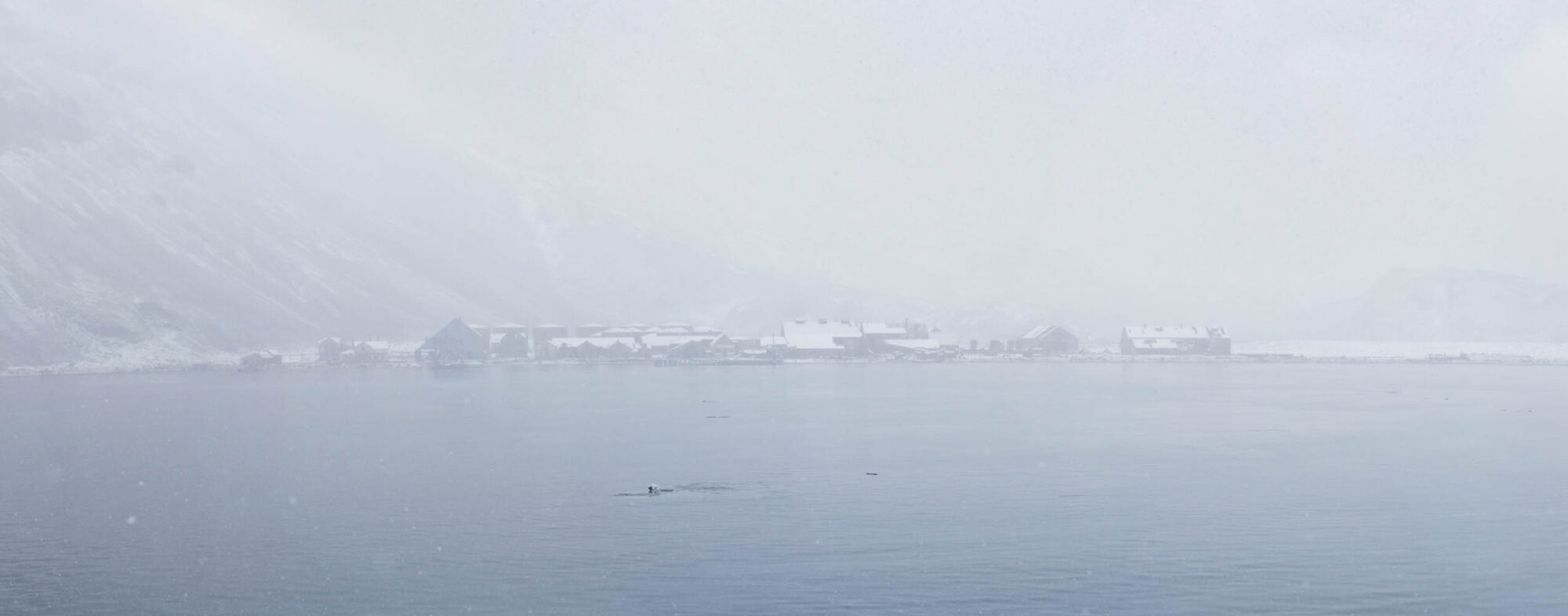
As the northern tides ran dry, the crimson wave surged past Iceland and descended upon the southern tip of the globe. Guided by the remarkably precise maps of Captain James Cook, a new ‘Golden Age’ of exploitation dawned. This grim ripple effect turned South Georgia and Deception Island into the world’s most brutal outposts, where hundreds of thousands of whales vanished as mere cogs in the industrial machine. Ultimately, the polar regions were stripped of their romantic mystery and reborn as a chilling ‘Red History’ of economic conquest. The modern civilization we inhabit today may well be anchored upon this invisible, a crimson legacy buried forever beneath the silent polar ice.
Download ‘The Alchemy of Whales’ Artist Statement and Locations